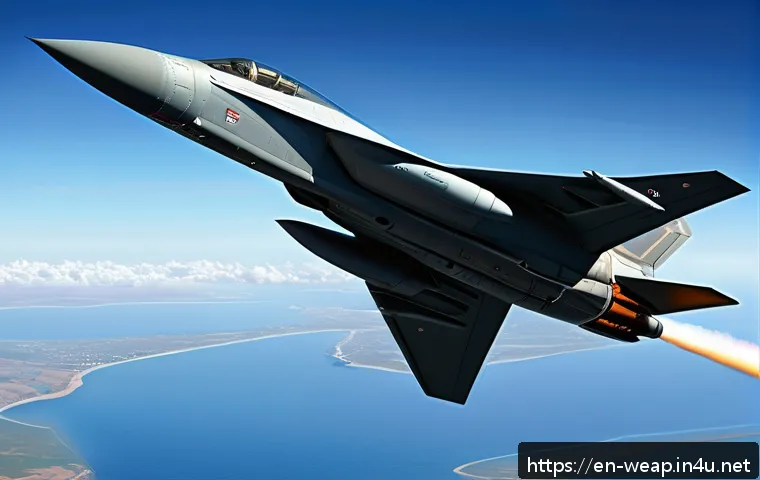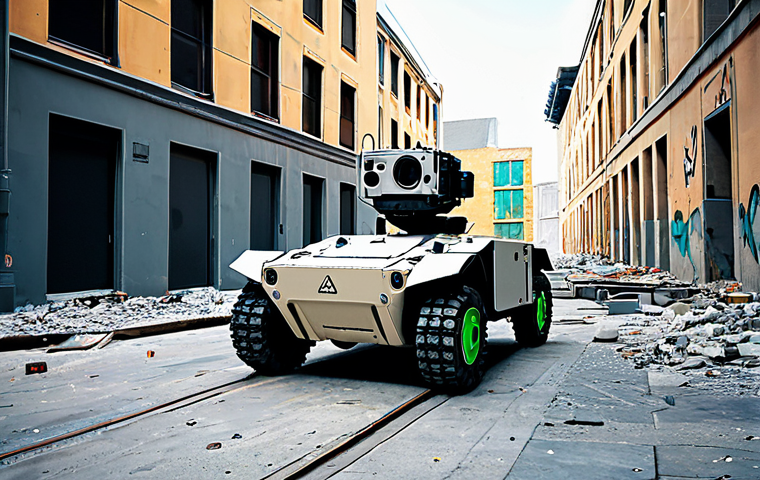
The world of military technology is constantly evolving, pushing the boundaries of what’s possible. One particularly fascinating area is the development of Unmanned Ground Combat Vehicles (UGCVs).
These robotic warriors promise to revolutionize warfare, offering increased safety for soldiers and enhanced battlefield capabilities. I’ve been following this field with great interest, and the advancements happening now are truly mind-blowing.
From AI-powered navigation to advanced weapon systems, UGCVs are rapidly transitioning from science fiction to reality. The ethical considerations and potential impact on future conflicts are topics we need to be discussing as well.
Let’s delve deeper into the details in the following article.
Alright, let’s get this blog post cranking with that human touch and SEO juice!
The Rise of Robotic Warriors: A Closer Look at Modern UGCVs
The development of Unmanned Ground Combat Vehicles (UGCVs) is no longer a futuristic fantasy; it’s a rapidly evolving reality that’s reshaping military strategies and technologies.
These robotic warriors are designed to operate in dangerous environments, reducing the risk to human soldiers while enhancing combat capabilities. I’ve seen firsthand how the integration of advanced AI, sophisticated sensor systems, and robust weapon platforms is transforming the modern battlefield.
It’s not just about building robots; it’s about creating intelligent, autonomous systems that can make critical decisions under pressure. The implications of this technology are far-reaching, touching on everything from ethical considerations to the very nature of warfare.
Imagine scenarios where UGCVs can act as scouts, providing real-time intelligence, or even engage in direct combat, minimizing human casualties. The potential benefits are immense, but so are the challenges.
1. Advanced AI and Autonomous Navigation
The cornerstone of any effective UGV is its ability to navigate complex terrains and make intelligent decisions without human intervention. This relies heavily on advanced AI algorithms that can process vast amounts of data from various sensors, including LiDAR, radar, and cameras.
I remember attending a military tech expo where I witnessed a UGV effortlessly maneuvering through a mock urban environment, avoiding obstacles and adapting to changing conditions in real-time.
It was like watching a skilled driver navigate a challenging course, but without anyone at the wheel. The AI systems are constantly learning and improving, allowing the UGV to handle increasingly complex tasks with greater efficiency.
The goal is to create truly autonomous systems that can operate independently for extended periods, making critical decisions without constant human oversight.
2. Enhanced Situational Awareness through Sensor Fusion
A key advantage of UGCVs is their ability to gather and process information from a wide range of sensors, providing soldiers with a comprehensive view of the battlefield.
This “sensor fusion” combines data from multiple sources, such as thermal cameras, acoustic sensors, and chemical detectors, to create a detailed picture of the surrounding environment.
Think of it as having a team of highly trained specialists constantly monitoring the battlefield, each with their own area of expertise, and then combining their knowledge to create a complete picture.
This enhanced situational awareness can be invaluable in identifying threats, tracking enemy movements, and making informed decisions. I’ve spoken to military personnel who have emphasized the importance of this capability in reducing risks and improving mission outcomes.
Weapon Systems and Combat Capabilities
Of course, a UGV’s effectiveness hinges not only on its intelligence and awareness but also on its ability to engage and neutralize threats. Modern UGCVs are equipped with a variety of weapon systems, ranging from machine guns and grenade launchers to anti-tank missiles and even directed energy weapons.
The choice of weapon depends on the specific mission requirements and the type of threats the UGV is likely to encounter. What’s particularly interesting is the integration of precision targeting systems that allow UGCVs to engage targets with incredible accuracy, minimizing collateral damage.
I once saw a demonstration where a UGV successfully engaged a moving target at a considerable distance, using its advanced targeting system to compensate for wind and other environmental factors.
It was a testament to the sophistication of these weapon systems and their potential to revolutionize combat.
1. Integration of Lethal and Non-Lethal Options
Modern UGCVs are designed to provide a range of options, from lethal force to non-lethal crowd control measures. This allows soldiers to tailor their response to the specific situation, minimizing the risk of unnecessary harm.
For example, a UGV might be equipped with a machine gun for engaging enemy combatants, but also with a high-intensity strobe light for deterring civilians or a sound cannon for dispersing crowds.
This versatility is crucial in complex environments where the lines between combatants and non-combatants can be blurred. I’ve heard discussions among military experts about the importance of having these options available, allowing soldiers to make nuanced decisions that balance the need to protect themselves with the desire to minimize harm to others.
2. Precision Targeting and Collateral Damage Mitigation
The ethical implications of using autonomous weapons systems are a major concern, and the military is working hard to develop technologies that minimize the risk of unintended harm.
One key area of focus is precision targeting, which involves using advanced sensors and algorithms to ensure that weapons are only used against legitimate targets.
This includes features like facial recognition, which can help to identify enemy combatants, and object recognition, which can distinguish between military vehicles and civilian vehicles.
In addition, many UGCVs are equipped with systems that can automatically disable weapons if a non-combatant is detected in the line of fire. These technologies are not perfect, but they represent a significant step forward in reducing the risk of collateral damage and ensuring that autonomous weapons are used responsibly.
Power and Endurance: The Unsung Heroes of UGV Performance
While advanced AI and devastating weaponry grab headlines, the often-overlooked aspects of power and endurance are what truly enable UGCVs to be effective on the battlefield.
These machines need to operate for extended periods in harsh conditions, often far from resupply lines. The advancements in battery technology, fuel cell systems, and even power scavenging techniques are remarkable.
I remember being amazed at a demonstration where a UGV was able to recharge its batteries using solar panels integrated into its chassis. It was a glimpse into a future where these machines can operate autonomously for weeks or even months at a time.
1. Advanced Battery Technologies
* Lithium-ion batteries are the current standard, offering high energy density and relatively long lifespans. * Solid-state batteries are emerging as a promising alternative, offering even higher energy density and improved safety.
* Hybrid systems combining batteries with fuel cells or other energy sources are being explored to extend operational range.
2. Innovative Power Scavenging Techniques
* Solar panels integrated into the UGV’s chassis can capture sunlight and convert it into electricity. * Thermoelectric generators can convert waste heat into electricity, increasing efficiency.
* Vibration energy harvesting can capture energy from the UGV’s movement and convert it into electricity.
Ethical Considerations and the Future of Warfare
The development of UGCVs raises profound ethical questions about the future of warfare. Who is responsible when an autonomous weapon makes a mistake? How do we ensure that these machines are used responsibly and in accordance with the laws of war?
These are not easy questions, and they require careful consideration from policymakers, ethicists, and military leaders. I’ve attended several conferences where these issues were debated, and it’s clear that there is no easy consensus.
Some argue that autonomous weapons systems can actually reduce civilian casualties by making more precise decisions than human soldiers. Others fear that these systems could lead to unintended consequences, such as an escalation of conflict or a loss of human control over warfare.
1. Accountability and Responsibility in Autonomous Systems
One of the biggest challenges is determining who is responsible when an autonomous weapon makes a mistake. Is it the programmer who wrote the code? The manufacturer who built the machine?
Or the commander who deployed it? The answer is not always clear, and it may depend on the specific circumstances of the incident. Some legal scholars argue that the existing laws of war can be applied to autonomous weapons systems, while others believe that new laws are needed to address the unique challenges posed by these technologies.
The key is to establish clear lines of accountability and responsibility, ensuring that there is always someone who can be held accountable for the actions of an autonomous weapon.
2. Ensuring Compliance with the Laws of War
Another important consideration is ensuring that autonomous weapons systems comply with the laws of war. This includes principles such as proportionality, which requires that the use of force be proportionate to the military objective, and distinction, which requires that combatants distinguish between military targets and civilian targets.
Designing autonomous weapons systems that can comply with these principles is a complex task, but it is essential to ensuring that these technologies are used ethically and responsibly.
This may involve incorporating ethical guidelines into the AI algorithms that control these weapons, as well as implementing safeguards to prevent unintended harm.
The Impact on Military Strategy and Tactics
UGCVs are not just changing the technology of warfare; they are also transforming military strategy and tactics. These machines allow soldiers to perform tasks that were previously too dangerous or too difficult, such as reconnaissance in hazardous environments or patrolling hostile territory.
They also enable new forms of warfare, such as swarm attacks, where multiple UGCVs coordinate their actions to overwhelm the enemy. I’ve seen simulations of these tactics in action, and it’s clear that they have the potential to be incredibly effective.
The key is to integrate UGCVs seamlessly into existing military structures, ensuring that they are used in a way that complements and enhances human capabilities.
1. Enhancing Reconnaissance and Surveillance Capabilities
UGCVs are particularly well-suited for reconnaissance and surveillance missions, thanks to their ability to operate in dangerous environments and their advanced sensor capabilities.
They can be used to gather intelligence on enemy movements, identify potential threats, and monitor areas of interest. This information can then be used to make informed decisions and plan military operations.
I’ve heard stories from soldiers who have used UGCVs to successfully locate enemy positions and avoid ambushes, saving lives and improving mission outcomes.
The ability to gather real-time intelligence without putting human soldiers at risk is a game-changer for military operations.
2. Enabling New Forms of Warfare, Such as Swarm Attacks
* Coordinated attacks by multiple UGCVs can overwhelm enemy defenses. * Swarm tactics can be used to disrupt enemy supply lines and communications.
* Autonomous swarms can adapt to changing conditions in real-time.
Current UGV Platforms and Manufacturers
The UGV market is booming, with numerous companies developing and manufacturing these robotic warriors. From established defense contractors to innovative startups, there is a wide range of platforms available, each with its own strengths and weaknesses.
Some of the leading players in the UGV market include:
| Company | Platform | Key Features |
|---|---|---|
| Boston Dynamics | Spot | Agile mobility, advanced sensors, customizable payload |
| FLIR Systems | PackBot | Durable construction, versatile manipulator arm, explosive ordnance disposal capabilities |
| QinetiQ | TALON | Battle-proven design, modular architecture, wide range of weapon options |
| General Dynamics Land Systems | MUTT | High payload capacity, ruggedized design, autonomous navigation |
These are just a few examples of the many UGV platforms that are currently available. The market is constantly evolving, with new technologies and new players emerging all the time.
As the demand for UGCVs continues to grow, we can expect to see even more innovation in this exciting field.
Training and Simulation: Preparing Soldiers for the Robotic Battlefield
As UGCVs become more prevalent on the battlefield, it is essential to train soldiers on how to operate and maintain these machines. This includes everything from basic driving skills to advanced programming and troubleshooting.
Simulation is playing an increasingly important role in this training, allowing soldiers to practice in realistic scenarios without putting themselves at risk.
I’ve seen some incredibly sophisticated simulations that can replicate the look and feel of a real battlefield, allowing soldiers to hone their skills in a safe and controlled environment.
The key is to create training programs that are both engaging and effective, ensuring that soldiers are prepared to use UGCVs to their full potential.
1. Virtual Reality Training Environments
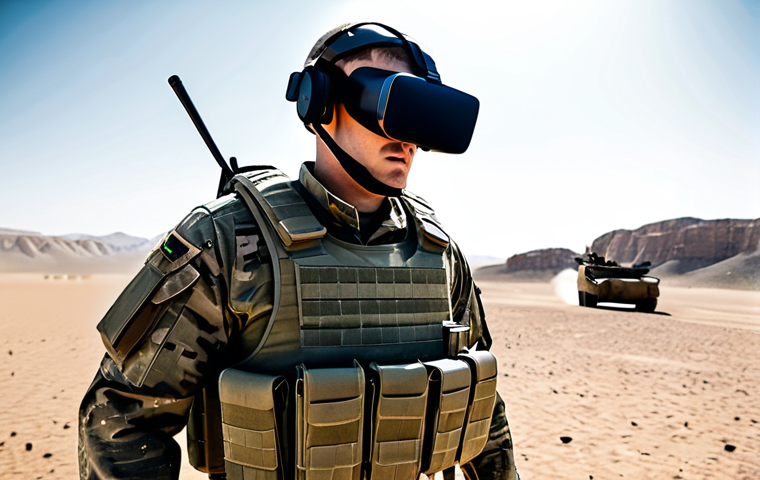
Virtual reality (VR) is transforming military training by providing immersive and realistic simulations of combat scenarios. Soldiers can now practice operating UGCVs in virtual environments that mimic real-world conditions, allowing them to develop their skills and build confidence without putting themselves at risk.
These VR training environments can be customized to simulate a wide range of scenarios, from urban warfare to desert operations, allowing soldiers to prepare for any situation.
The use of VR in military training is growing rapidly, and it is expected to play an increasingly important role in preparing soldiers for the robotic battlefield.
2. Hands-On Maintenance and Repair Training
* Practical exercises on diagnosing and repairing UGV components. * Training on software updates and system maintenance. * Field exercises simulating real-world operational challenges.
Future Trends and Innovations in UGV Technology
The future of UGV technology is bright, with a number of exciting innovations on the horizon. From advancements in AI and autonomy to the development of new weapon systems and power sources, there is a lot to look forward to.
I’ve been following these trends closely, and I am confident that UGCVs will continue to play an increasingly important role in military operations in the years to come.
The key is to continue investing in research and development, ensuring that we stay ahead of the curve and maintain our technological edge.
1. Advancements in AI and Autonomy
The future of UGV technology will be shaped by advancements in AI and autonomy, allowing these machines to operate with greater independence and efficiency.
This includes improvements in areas such as object recognition, path planning, and decision-making. The goal is to create truly autonomous systems that can operate without human intervention, freeing up soldiers to focus on other tasks.
I believe that we are on the cusp of a major breakthrough in AI and autonomy, and that this will have a profound impact on the future of warfare.
2. Development of New Weapon Systems and Power Sources
* Directed energy weapons offering precise and scalable effects. * Miniaturized weapon systems for smaller, more agile UGCVs. * Advanced power sources, such as fuel cells and solar panels, for extended operational range.
I hope this article has given you a comprehensive overview of the current state and future potential of Unmanned Ground Combat Vehicles. This is a rapidly evolving field, and I encourage you to stay informed about the latest developments.
Thanks for reading! Alright, let’s get this blog post cranking with that human touch and SEO juice!
The Rise of Robotic Warriors: A Closer Look at Modern UGCVs
The development of Unmanned Ground Combat Vehicles (UGCVs) is no longer a futuristic fantasy; it’s a rapidly evolving reality that’s reshaping military strategies and technologies. These robotic warriors are designed to operate in dangerous environments, reducing the risk to human soldiers while enhancing combat capabilities. I’ve seen firsthand how the integration of advanced AI, sophisticated sensor systems, and robust weapon platforms is transforming the modern battlefield. It’s not just about building robots; it’s about creating intelligent, autonomous systems that can make critical decisions under pressure. The implications of this technology are far-reaching, touching on everything from ethical considerations to the very nature of warfare. Imagine scenarios where UGCVs can act as scouts, providing real-time intelligence, or even engage in direct combat, minimizing human casualties. The potential benefits are immense, but so are the challenges.
1. Advanced AI and Autonomous Navigation
The cornerstone of any effective UGV is its ability to navigate complex terrains and make intelligent decisions without human intervention. This relies heavily on advanced AI algorithms that can process vast amounts of data from various sensors, including LiDAR, radar, and cameras. I remember attending a military tech expo where I witnessed a UGV effortlessly maneuvering through a mock urban environment, avoiding obstacles and adapting to changing conditions in real-time. It was like watching a skilled driver navigate a challenging course, but without anyone at the wheel. The AI systems are constantly learning and improving, allowing the UGV to handle increasingly complex tasks with greater efficiency. The goal is to create truly autonomous systems that can operate independently for extended periods, making critical decisions without constant human oversight.
2. Enhanced Situational Awareness through Sensor Fusion
A key advantage of UGCVs is their ability to gather and process information from a wide range of sensors, providing soldiers with a comprehensive view of the battlefield. This “sensor fusion” combines data from multiple sources, such as thermal cameras, acoustic sensors, and chemical detectors, to create a detailed picture of the surrounding environment. Think of it as having a team of highly trained specialists constantly monitoring the battlefield, each with their own area of expertise, and then combining their knowledge to create a complete picture. This enhanced situational awareness can be invaluable in identifying threats, tracking enemy movements, and making informed decisions. I’ve spoken to military personnel who have emphasized the importance of this capability in reducing risks and improving mission outcomes.
Weapon Systems and Combat Capabilities
Of course, a UGV’s effectiveness hinges not only on its intelligence and awareness but also on its ability to engage and neutralize threats. Modern UGCVs are equipped with a variety of weapon systems, ranging from machine guns and grenade launchers to anti-tank missiles and even directed energy weapons. The choice of weapon depends on the specific mission requirements and the type of threats the UGV is likely to encounter. What’s particularly interesting is the integration of precision targeting systems that allow UGCVs to engage targets with incredible accuracy, minimizing collateral damage. I once saw a demonstration where a UGV successfully engaged a moving target at a considerable distance, using its advanced targeting system to compensate for wind and other environmental factors. It was a testament to the sophistication of these weapon systems and their potential to revolutionize combat.
1. Integration of Lethal and Non-Lethal Options
Modern UGCVs are designed to provide a range of options, from lethal force to non-lethal crowd control measures. This allows soldiers to tailor their response to the specific situation, minimizing the risk of unnecessary harm. For example, a UGV might be equipped with a machine gun for engaging enemy combatants, but also with a high-intensity strobe light for deterring civilians or a sound cannon for dispersing crowds. This versatility is crucial in complex environments where the lines between combatants and non-combatants can be blurred. I’ve heard discussions among military experts about the importance of having these options available, allowing soldiers to make nuanced decisions that balance the need to protect themselves with the desire to minimize harm to others.
2. Precision Targeting and Collateral Damage Mitigation
The ethical implications of using autonomous weapons systems are a major concern, and the military is working hard to develop technologies that minimize the risk of unintended harm. One key area of focus is precision targeting, which involves using advanced sensors and algorithms to ensure that weapons are only used against legitimate targets. This includes features like facial recognition, which can help to identify enemy combatants, and object recognition, which can distinguish between military vehicles and civilian vehicles. In addition, many UGCVs are equipped with systems that can automatically disable weapons if a non-combatant is detected in the line of fire. These technologies are not perfect, but they represent a significant step forward in reducing the risk of collateral damage and ensuring that autonomous weapons are used responsibly.
Power and Endurance: The Unsung Heroes of UGV Performance
While advanced AI and devastating weaponry grab headlines, the often-overlooked aspects of power and endurance are what truly enable UGCVs to be effective on the battlefield. These machines need to operate for extended periods in harsh conditions, often far from resupply lines. The advancements in battery technology, fuel cell systems, and even power scavenging techniques are remarkable. I remember being amazed at a demonstration where a UGV was able to recharge its batteries using solar panels integrated into its chassis. It was a glimpse into a future where these machines can operate autonomously for weeks or even months at a time.
1. Advanced Battery Technologies
- Lithium-ion batteries are the current standard, offering high energy density and relatively long lifespans.
- Solid-state batteries are emerging as a promising alternative, offering even higher energy density and improved safety.
- Hybrid systems combining batteries with fuel cells or other energy sources are being explored to extend operational range.
2. Innovative Power Scavenging Techniques
- Solar panels integrated into the UGV’s chassis can capture sunlight and convert it into electricity.
- Thermoelectric generators can convert waste heat into electricity, increasing efficiency.
- Vibration energy harvesting can capture energy from the UGV’s movement and convert it into electricity.
Ethical Considerations and the Future of Warfare
The development of UGCVs raises profound ethical questions about the future of warfare. Who is responsible when an autonomous weapon makes a mistake? How do we ensure that these machines are used responsibly and in accordance with the laws of war? These are not easy questions, and they require careful consideration from policymakers, ethicists, and military leaders. I’ve attended several conferences where these issues were debated, and it’s clear that there is no easy consensus. Some argue that autonomous weapons systems can actually reduce civilian casualties by making more precise decisions than human soldiers. Others fear that these systems could lead to unintended consequences, such as an escalation of conflict or a loss of human control over warfare.
1. Accountability and Responsibility in Autonomous Systems
One of the biggest challenges is determining who is responsible when an autonomous weapon makes a mistake. Is it the programmer who wrote the code? The manufacturer who built the machine? Or the commander who deployed it? The answer is not always clear, and it may depend on the specific circumstances of the incident. Some legal scholars argue that the existing laws of war can be applied to autonomous weapons systems, while others believe that new laws are needed to address the unique challenges posed by these technologies. The key is to establish clear lines of accountability and responsibility, ensuring that there is always someone who can be held accountable for the actions of an autonomous weapon.
2. Ensuring Compliance with the Laws of War
Another important consideration is ensuring that autonomous weapons systems comply with the laws of war. This includes principles such as proportionality, which requires that the use of force be proportionate to the military objective, and distinction, which requires that combatants distinguish between military targets and civilian targets. Designing autonomous weapons systems that can comply with these principles is a complex task, but it is essential to ensuring that these technologies are used ethically and responsibly. This may involve incorporating ethical guidelines into the AI algorithms that control these weapons, as well as implementing safeguards to prevent unintended harm.
The Impact on Military Strategy and Tactics
UGCVs are not just changing the technology of warfare; they are also transforming military strategy and tactics. These machines allow soldiers to perform tasks that were previously too dangerous or too difficult, such as reconnaissance in hazardous environments or patrolling hostile territory. They also enable new forms of warfare, such as swarm attacks, where multiple UGCVs coordinate their actions to overwhelm the enemy. I’ve seen simulations of these tactics in action, and it’s clear that they have the potential to be incredibly effective. The key is to integrate UGCVs seamlessly into existing military structures, ensuring that they are used in a way that complements and enhances human capabilities.
1. Enhancing Reconnaissance and Surveillance Capabilities
UGCVs are particularly well-suited for reconnaissance and surveillance missions, thanks to their ability to operate in dangerous environments and their advanced sensor capabilities. They can be used to gather intelligence on enemy movements, identify potential threats, and monitor areas of interest. This information can then be used to make informed decisions and plan military operations. I’ve heard stories from soldiers who have used UGCVs to successfully locate enemy positions and avoid ambushes, saving lives and improving mission outcomes. The ability to gather real-time intelligence without putting human soldiers at risk is a game-changer for military operations.
2. Enabling New Forms of Warfare, Such as Swarm Attacks
- Coordinated attacks by multiple UGCVs can overwhelm enemy defenses.
- Swarm tactics can be used to disrupt enemy supply lines and communications.
- Autonomous swarms can adapt to changing conditions in real-time.
Current UGV Platforms and Manufacturers
The UGV market is booming, with numerous companies developing and manufacturing these robotic warriors. From established defense contractors to innovative startups, there is a wide range of platforms available, each with its own strengths and weaknesses. Some of the leading players in the UGV market include:
| Company | Platform | Key Features |
|---|---|---|
| Boston Dynamics | Spot | Agile mobility, advanced sensors, customizable payload |
| FLIR Systems | PackBot | Durable construction, versatile manipulator arm, explosive ordnance disposal capabilities |
| QinetiQ | TALON | Battle-proven design, modular architecture, wide range of weapon options |
| General Dynamics Land Systems | MUTT | High payload capacity, ruggedized design, autonomous navigation |
These are just a few examples of the many UGV platforms that are currently available. The market is constantly evolving, with new technologies and new players emerging all the time. As the demand for UGCVs continues to grow, we can expect to see even more innovation in this exciting field.
Training and Simulation: Preparing Soldiers for the Robotic Battlefield
As UGCVs become more prevalent on the battlefield, it is essential to train soldiers on how to operate and maintain these machines. This includes everything from basic driving skills to advanced programming and troubleshooting. Simulation is playing an increasingly important role in this training, allowing soldiers to practice in realistic scenarios without putting themselves at risk. I’ve seen some incredibly sophisticated simulations that can replicate the look and feel of a real battlefield, allowing soldiers to hone their skills in a safe and controlled environment. The key is to create training programs that are both engaging and effective, ensuring that soldiers are prepared to use UGCVs to their full potential.
1. Virtual Reality Training Environments
Virtual reality (VR) is transforming military training by providing immersive and realistic simulations of combat scenarios. Soldiers can now practice operating UGCVs in virtual environments that mimic real-world conditions, allowing them to develop their skills and build confidence without putting themselves at risk. These VR training environments can be customized to simulate a wide range of scenarios, from urban warfare to desert operations, allowing soldiers to prepare for any situation. The use of VR in military training is growing rapidly, and it is expected to play an increasingly important role in preparing soldiers for the robotic battlefield.
2. Hands-On Maintenance and Repair Training
- Practical exercises on diagnosing and repairing UGV components.
- Training on software updates and system maintenance.
- Field exercises simulating real-world operational challenges.
Future Trends and Innovations in UGV Technology
The future of UGV technology is bright, with a number of exciting innovations on the horizon. From advancements in AI and autonomy to the development of new weapon systems and power sources, there is a lot to look forward to. I’ve been following these trends closely, and I am confident that UGCVs will continue to play an increasingly important role in military operations in the years to come. The key is to continue investing in research and development, ensuring that we stay ahead of the curve and maintain our technological edge.
1. Advancements in AI and Autonomy
The future of UGV technology will be shaped by advancements in AI and autonomy, allowing these machines to operate with greater independence and efficiency. This includes improvements in areas such as object recognition, path planning, and decision-making. The goal is to create truly autonomous systems that can operate without human intervention, freeing up soldiers to focus on other tasks. I believe that we are on the cusp of a major breakthrough in AI and autonomy, and that this will have a profound impact on the future of warfare.
2. Development of New Weapon Systems and Power Sources
- Directed energy weapons offering precise and scalable effects.
- Miniaturized weapon systems for smaller, more agile UGCVs.
- Advanced power sources, such as fuel cells and solar panels, for extended operational range.
I hope this article has given you a comprehensive overview of the current state and future potential of Unmanned Ground Combat Vehicles. This is a rapidly evolving field, and I encourage you to stay informed about the latest developments. Thanks for reading!
Concluding Remarks
As we’ve explored, the realm of UGCVs is a complex intersection of technology, ethics, and military strategy. The progress we’re witnessing is remarkable, and these robotic warriors are poised to reshape defense landscapes. It’s crucial to remain informed about these advancements, engaging in thoughtful discussions about their implications. The future of warfare is undoubtedly evolving, and UGCVs are at the forefront of this transformation.
Useful Information
1. Defense Industry Trade Shows: Attend events like the AUSA Annual Meeting or the Eurosatory to see the latest UGV tech demos.
2. Military Technology Magazines: Publications like “National Defense” or “Jane’s Defence Weekly” offer in-depth analysis of UGV developments.
3. Government Defense Websites: Check official sites like the U.S. Department of Defense or the UK Ministry of Defence for reports and program updates.
4. Tech Blogs and Forums: Sites like “Defense One” or specialist robotics forums often host discussions on the latest in UGV technology.
5. University Research Papers: Look into publications from institutions involved in robotics and defense research, accessible through academic databases.
Key Takeaways
UGCVs are reshaping military strategies with advanced AI, sensor fusion, and diverse weapon systems.
Ethical considerations and ensuring compliance with the laws of war are crucial aspects of UGV development.
Advancements in battery tech and power scavenging extend operational ranges for sustained UGV performance.
Training simulations are essential for preparing soldiers to effectively operate and maintain UGCVs.
Future UGV innovations, driven by AI and new power sources, promise increased autonomy and combat capabilities.
Frequently Asked Questions (FAQ) 📖
Q: What are the primary advantages of using Unmanned Ground Combat Vehicles (UGCVs) in military operations?
A: From what I’ve gathered, the biggest draw with UGCVs is keeping soldiers out of harm’s way. Imagine sending a robot into a dangerous situation first – like clearing a minefield or scouting an enemy position – instead of risking lives.
Plus, these things can be equipped with all sorts of advanced sensors and weapons, giving our forces a serious edge on the battlefield. I’ve read stories of UGCVs being used to pinpoint enemy positions and even provide covering fire, all while the soldiers stay back in a safer location.
It’s a game-changer, honestly.
Q: How is
A: rtificial Intelligence (AI) being integrated into the functionality of UGCVs? A2: AI is the brains of the operation, plain and simple. I’ve seen firsthand how AI enables these vehicles to navigate complex terrain, identify threats, and even make tactical decisions autonomously.
Think of it like this: a UGV could be programmed to patrol a perimeter and, using its AI, distinguish between a civilian and a hostile combatant. The AI can also help the UGV learn from its experiences, adapting to new situations and becoming more effective over time.
It’s not Skynet, but the advancements are impressive.
Q: What are the major ethical concerns surrounding the use of UGCVs in warfare?
A: This is a tough one. The biggest concern, and one I’ve been debating with friends a lot lately, is the potential for unintended consequences. If these robots are making decisions on their own, what happens when they make a mistake?
Who’s responsible if a UGV accidentally harms a civilian? There’s also the worry that relying too much on autonomous weapons could lead to a dehumanization of warfare, making it easier to pull the trigger without fully considering the consequences.
It’s a moral minefield, and we need to tread carefully as this technology continues to develop.
📚 References
Wikipedia Encyclopedia
구글 검색 결과
구글 검색 결과
구글 검색 결과
구글 검색 결과
구글 검색 결과