Learn how terrain, communication, logistics, leadership, and uncertainty shape field engagements at a high level. Includes a comparison framework for historians, wargamers, and scenario designers.
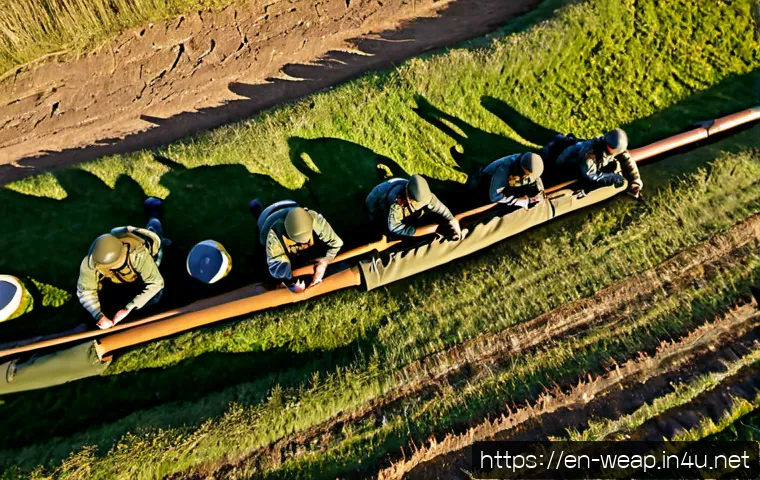
Field engagements are best understood through four connected lenses: terrain, information, logistics, and leadership. No map, force-size comparison, or game rule can reliably explain an outcome on its own.
For history readers, tabletop players, and scenario writers, the useful goal is not to recreate real-world operations. It is to compare evidence, visualize constraints, and understand why decisions were difficult under changing conditions.
Historical reference books provide context, maps make geography easier to see, and simulations can make uncertainty more tangible. The right choice depends on whether you value source depth, visual clarity, interactive learning, or a lower learning curve.
A careful framework also prevents common mistakes, such as treating terrain as destiny or assuming commanders had perfect reports. This guide stays focused on historical study, wargaming, and fictional scenario analysis.
At a Glance
- Terrain, weather, and visibility can affect movement, observation, concealment, and unit cohesion.
- Information and communication limits mean decisions were often made with incomplete or changing reports.
- Logistics and leadership can shape endurance, morale, timing, and the ability to respond to pressure.
| Research Option | Best For | Main Strength | Key Check Before Choosing |
|---|---|---|---|
| Historical books and archival histories | Context and source comparison | Depth of interpretation | Author sourcing and treatment of conflicting accounts |
| Battlefield maps and atlases | Geography and movement constraints | Clear visual reference | Map scale, labels, and stated sources |
| Tabletop wargaming systems | Social, structured scenario learning | Visible trade-offs through rules | Learning curve, scenario design, and total cost |
| Digital battlefield simulations | Interactive comparison of changing conditions | Repeatable scenario exploration | Historical sourcing, interface complexity, and price |
The Core Idea: Why Field Engagements Are Difficult to Analyze
A field engagement is difficult to explain because events unfold through connected pressures rather than a single decisive variable. A useful analysis asks what people knew at the time, what the ground allowed, what resources were available, and how quickly conditions changed. The answer may remain uncertain even after careful study.
Uncertainty Matters More Than Simple Force-Size Comparisons
Numbers can be relevant, but they do not tell the whole story. Commanders historically faced incomplete information, delayed communication, changing visibility, and pressure to make decisions before all facts were available. When comparing accounts, treat force size as one piece of context rather than a final explanation.
A Safe Distinction Between Historical Study, Games, and Real-World Operations
Historical analysis examines evidence and interpretation. Tabletop rulesets and digital simulations simplify reality so that players can explore choices within a designed system. Neither is a substitute for lawful professional training, verified sources, or context-specific real-world judgment.
Three Questions for Readers
Ask three simple questions: What constraints did the terrain create? What information may have been missing or delayed? What human and logistical limits affected endurance? These questions keep research grounded without turning a battle into a one-factor story.
The Main Factors That Shape an Engagement
The strongest high-level analysis connects physical conditions with human decisions. Terrain may influence movement and observation, but communication, morale, supply conditions, timing, and chance can alter how those constraints matter.
Terrain, Weather, and Visibility
Ground conditions can affect movement speed, concealment, observation, and the difficulty of keeping units together. Weather and visibility can further complicate what participants can see or report. A map is useful here, but its scale and source quality matter: a broad atlas may show regional geography while omitting smaller features that shaped local experience.
Communication, Coordination, and Leadership
Communication limits can make coordination difficult when events change quickly. Leadership matters not because it produces guaranteed results, but because people must interpret imperfect reports, maintain cohesion, and respond under pressure. When reading a historical narrative, look for what is documented and what is inferred afterward.
Logistics, Morale, and Time Pressure
Food, water, ammunition, transportation, and medical support can affect a force’s endurance. Morale and fatigue also matter, especially when uncertainty lasts longer than expected. Avoid treating logistics as background detail; it can be central to understanding why a force could or could not sustain its position over time.
Comparing Research Sources, Maps, and Simulation Tools
Different tools answer different questions. A well-chosen reference book may explain competing interpretations, while a battlefield atlas helps readers visualize geography. A tabletop game or digital simulation can make trade-offs visible, but its mechanics should never be mistaken for proof of historical fact.
Books and Archival Histories: Depth Versus Accessibility
Choose historical books when you need context, source discussion, and competing viewpoints. Check whether the author identifies sources and acknowledges gaps or disagreements. An accessible overview can be a good starting point, while a more detailed archival history may better suit academic study.
Battlefield Maps and Atlases: Scale, Sourcing, and Clarity
Maps and atlases are helpful when a written account feels spatially confusing. Compare map scale, labeling clarity, terrain detail, and whether the publication explains its historical sourcing. A visually appealing map is not automatically a reliable one, particularly when it presents complex events with excessive simplicity.
Tabletop and Digital Simulations: Realism, Learning Curve, and Cost
Tabletop wargaming systems can support discussion, scenario design, and repeatable comparison. Digital battlefield simulations may offer interactive visualization and convenient replay. Before purchasing, consider whether the learning curve fits your time, whether the rules or software explain their historical assumptions, and whether the total cost fits your intended use.
What to Check Before Paying for Premium Reference Material or Software
Look beyond marketing language. Check historical sourcing, map readability, included scenarios, complexity, and the format of supporting material. For a book, examine the bibliography and maps. For a ruleset or simulation tool, review how clearly it separates documented history from abstract game mechanics.
Common Mistakes in Historical and Wargaming Analysis
Good analysis stays open to multiple causes. It also recognizes that later accounts may conflict, omit civilian perspectives, or reflect the biases of their authors.
Treating Terrain as the Only Deciding Factor
Terrain matters, but it does not act alone. Leadership, morale, timing, logistics, weather, and chance can change how a landscape affects an engagement. Treat terrain as a constraint and opportunity for interpretation, not a guaranteed explanation.

Assuming Perfect Information or Flawless Communication
Readers and players often see the whole map at once. Historical participants rarely did. A more balanced analysis considers delayed reports, uncertainty, and the possibility that different people understood the same situation differently.
Confusing Game Mechanics With Documented History
A game mechanic exists to make a system playable. It may represent a broad historical idea, but it is not automatically a documented reconstruction. Use game results as prompts for questions, then return to reliable historical research for evidence.
Ignoring Logistics and the Human Limits of Command
Maps can make events appear neat and controlled. Real conditions could involve exhaustion, supply strain, medical needs, and difficult communication. Including these pressures produces a more credible historical reading and a more thoughtful scenario design.
Scenario-Based Learning for Different Readers
A shared framework can serve different readers without offering real-world operational instruction. The key is to match the depth of research to the purpose of the project.
For Military History Readers: Evaluate Sources and Conflicting Accounts
Compare how authors describe terrain, communications, timing, and logistics. Note where accounts agree, where they conflict, and what evidence each author uses. This approach is more useful than searching for a single unquestionable explanation.
For Tabletop Players: Build Balanced, Historically Grounded Scenarios
Use documented context to guide the setting, then state clearly where game rules simplify events. A balanced scenario does not need to claim that it reproduces history exactly. It should communicate its assumptions and encourage discussion of uncertainty.
For Fiction Writers: Portray Uncertainty Without Creating Tactical Instructions
Fiction can show how unclear reports, changing weather, difficult ground, fatigue, and leadership pressure affect characters. Focus on perception, consequence, and human uncertainty rather than step-by-step operational detail.
For Students: Turn a Battle Narrative Into an Evidence-Based Comparison
Take two or more accounts and compare their treatment of the same factors: terrain, visibility, supply, communication, leadership, and morale. Then identify what remains unknown. This method helps separate supported claims from confident storytelling.
Selection Criteria and Comparison Summary
Choose books when source quality and context matter most. Choose maps when geography and movement constraints need visualization. Choose simulations when interactive learning is worth the time, complexity, and cost.
- Compare historical sourcing before accepting a strong claim.
- Compare map scale before relying on an atlas for local detail.
- Compare learning curve with the time you realistically have.
- Compare total cost, including any needed maps, expansions, or reference material.
- Match the tool to your goal: casual learning, gaming, writing, or academic research.
Before choosing a historical reference book, tabletop ruleset, map atlas, or simulation software, compare map scale, historical sourcing, learning curve, and total cost on the relevant product page.
Final Thoughts
Field engagements reward careful, layered analysis. Terrain, information, logistics, and leadership are useful lenses because each reveals a different form of constraint. The most reliable conclusion is often a measured one: outcomes rarely rest on one factor alone. Use maps, books, after-action studies, and simulations as complementary tools rather than interchangeable answers.
Useful Things to Know
Maps show perspective, not certainty. Their scale and sourcing affect what they can explain.
Simulations show assumptions. They can be valuable learning tools when their abstractions are understood.
Conflicting accounts are not automatically failures. They may reveal differences in perspective, memory, access to information, or author bias.
Important Notes
This framework supports historical research, wargaming, fiction, and classroom analysis. Exact outcomes cannot be predicted from terrain or troop numbers alone. Verify major claims with reliable historical sources, and do not treat general analysis, game mechanics, or scenario tools as a replacement for lawful professional training or context-specific expertise.
Frequently Asked Questions
Q1. What is the best way to study field engagements without relying on oversimplified battle maps?
A1. Combine a map with a sourced historical account, then compare how each handles terrain, timing, communication, logistics, and uncertainty. Check the map scale and the author’s sources before drawing firm conclusions.
Q2. Are tabletop wargames useful for learning military history?
A2. They can be useful for exploring trade-offs and discussing uncertainty, especially when paired with historical reading. Their rules simplify reality, so game outcomes should not be treated as documented history.
Q3. What should I compare before buying a battlefield atlas or historical strategy simulation?
A3. Compare map scale, historical sourcing, clarity, learning curve, included material, intended use, and total cost. Choose the option that best fits whether you are researching, gaming, writing, or studying.