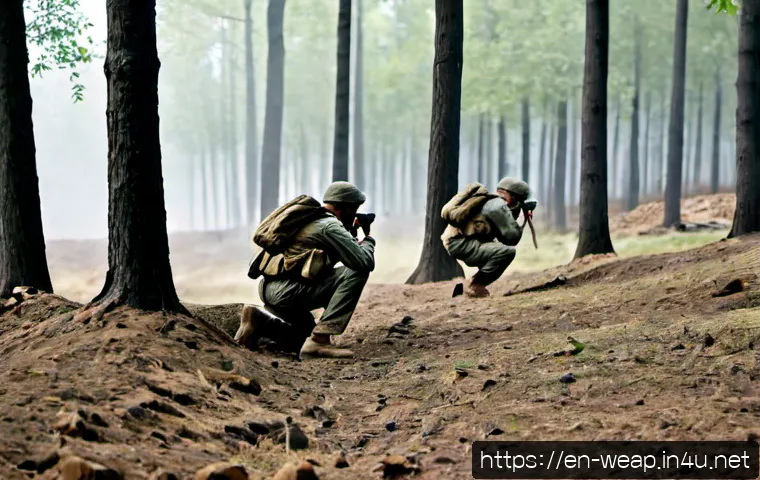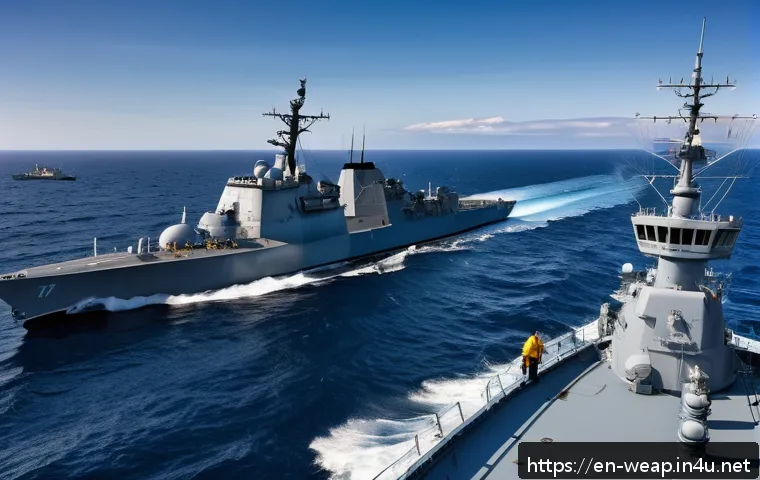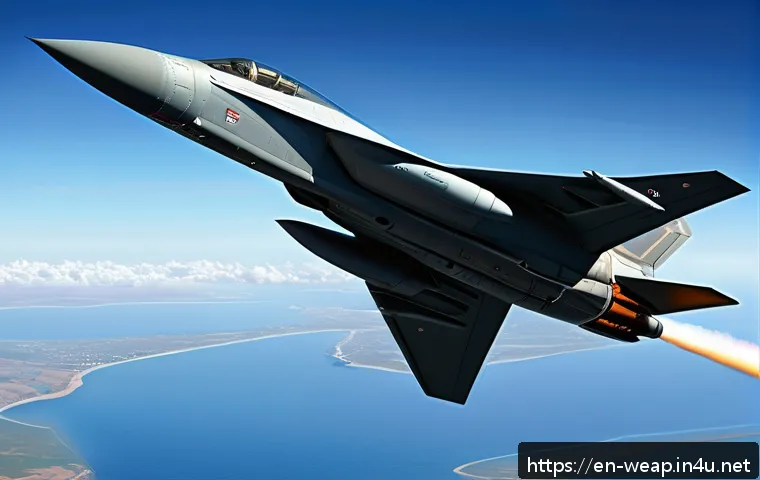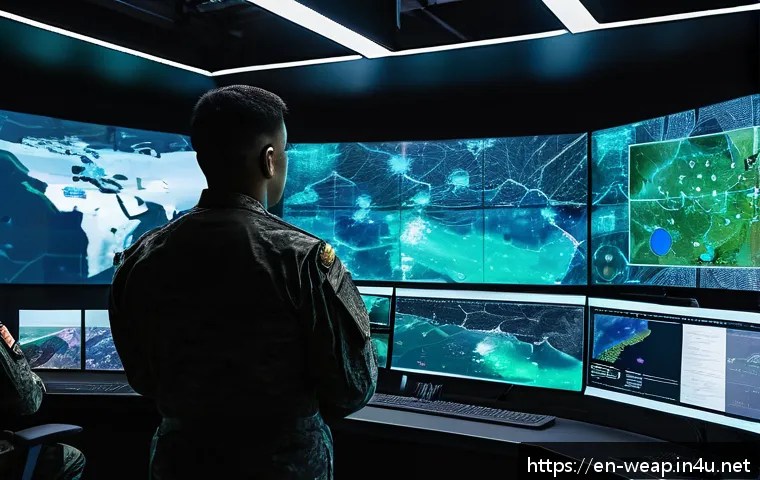
As warfare evolves at lightning speed, the integration of AI on the battlefield is transforming how decisions are made in real time. With recent advancements in machine learning and autonomous systems, commanders now have access to unprecedented analytical power that can adapt instantly to shifting combat scenarios.
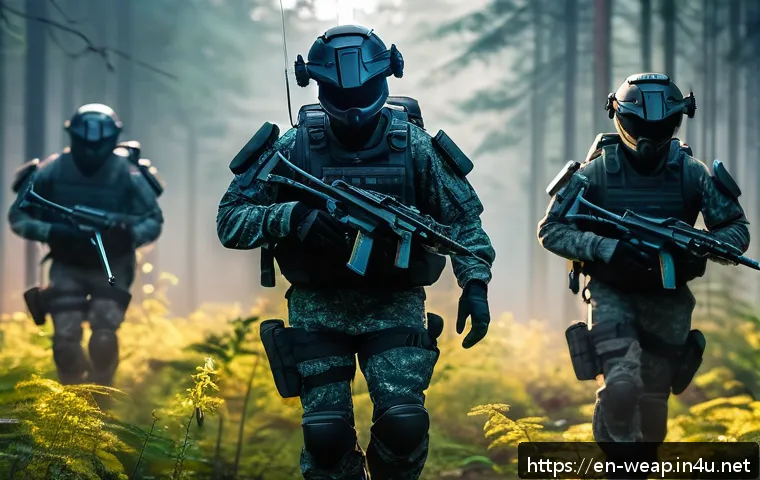
This shift not only enhances tactical precision but also reshapes the very nature of modern military strategy. If you’ve ever wondered how AI-driven technologies are reshaping frontline operations, you’re about to discover the cutting-edge innovations that are revolutionizing warfare today.
Let’s dive into how battlefield AI is changing the game with its real-time decision-making capabilities.
Dynamic Battlefield Awareness Through AI-Enhanced Sensing
Multi-Source Data Fusion for Real-Time Insights
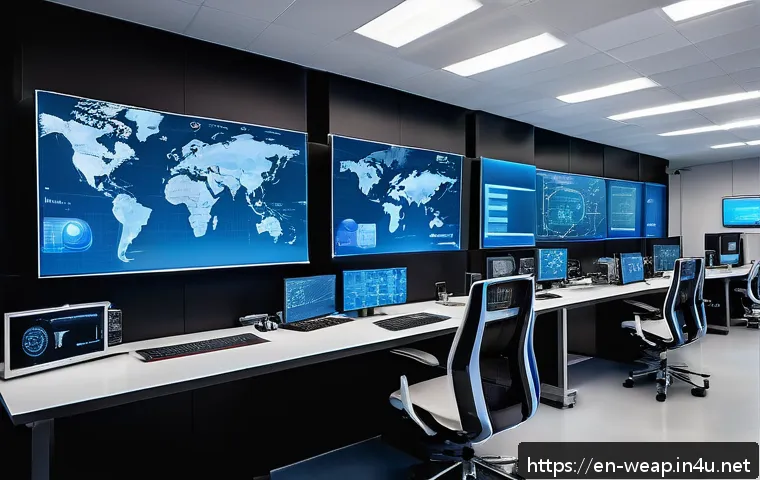
When you’re out in the field, situational awareness is everything, and AI takes it to a whole new level. Instead of relying on separate sensors feeding isolated data streams, AI systems now combine inputs from satellites, drones, ground sensors, and even soldier-worn devices to create a comprehensive, unified picture.
This fusion happens instantly, allowing commanders to see not just where enemy forces are, but predict where they might move next. I remember reading about units that avoided ambushes simply because their AI system flagged unusual movements that humans hadn’t noticed yet.
This kind of proactive awareness is a game changer.
Adaptive Threat Detection and Prioritization
AI algorithms don’t just gather data—they analyze it against vast historical and real-time patterns to identify what’s truly dangerous. For example, if a drone detects a convoy, the AI weighs whether it’s likely a supply line or a frontline attack force, based on speed, formation, and electronic signatures.
The system then ranks threats in priority order, letting human operators focus on what matters most without getting overwhelmed. This prioritization means faster response times and fewer missed opportunities.
From what I’ve seen, soldiers trust these AI cues because they’ve proven reliable under pressure.
Environmental and Terrain Analysis for Tactical Advantage
Terrain can make or break a mission, and AI now helps interpret complex environmental data far beyond human capabilities. By analyzing satellite imagery combined with weather patterns, AI can suggest optimal routes for troops or vehicles that avoid natural hazards or maximize cover.
I recall an example where an AI recommended a detour that saved a unit from getting stuck in mud during a rainstorm. It’s like having a seasoned scout with instant access to vast environmental knowledge, making decisions that improve safety and mission success.
Enhanced Command Decision-Making with Predictive AI Models
Simulating Combat Outcomes for Better Strategy
One of the most impressive aspects of battlefield AI is its ability to simulate multiple “what-if” scenarios almost instantly. Commanders can test different strategies by adjusting variables like troop movements, reinforcements, or air support, and see probable outcomes in real time.
This isn’t just theoretical; it’s based on continuous learning from past battles and live data. Having these simulations at hand helps leaders avoid costly mistakes and make bold decisions with more confidence.
From what I’ve gathered, this capability often shortens the decision cycle dramatically.
Continuous Learning From Engagements
Unlike traditional command systems, AI doesn’t stop learning once deployed. It constantly ingests data from ongoing engagements, updating its models to better predict enemy tactics or logistics shifts.
This adaptive learning means that over the course of a battle, the AI becomes more attuned to the enemy’s style and can suggest increasingly effective countermeasures.
I’ve heard from veterans that this dynamic feedback loop feels like having a partner who gets smarter every hour, which boosts morale and operational effectiveness.
Human-AI Collaboration in High-Stress Environments
Despite the power of AI, human judgment remains crucial—especially when ethical or unexpected scenarios arise. Modern systems are designed to assist, not replace, commanders by providing clear recommendations along with confidence levels and alternative options.
This collaborative approach helps decision-makers weigh AI insights against their experience and intuition. Soldiers and officers I’ve spoken with appreciate this balance, noting that AI acts as a force multiplier rather than a rigid controller.
Autonomous Systems: From Support Roles to Frontline Combatants
Unmanned Vehicles and Drones in Recon and Combat
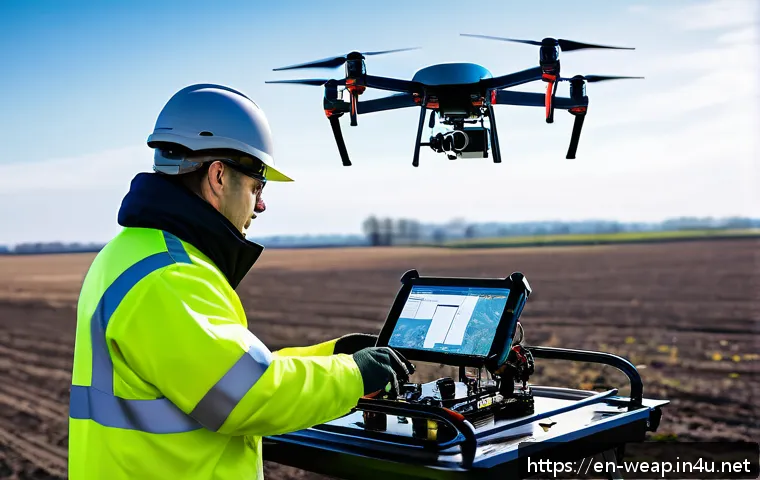
Autonomous drones and ground vehicles have moved beyond simple reconnaissance to actively engaging in combat roles. These systems can navigate hostile environments, identify targets, and even coordinate attacks with human forces—all with minimal intervention.
I’ve seen reports where drones autonomously cleared minefields or provided close air support, reducing risks to human soldiers. Their ability to operate in dangerous zones without fatigue or hesitation is transforming how frontlines are managed.
Swarm Technology for Coordinated Operations
One of the most fascinating advancements is the use of AI-driven swarms—groups of small drones or robots working together seamlessly. These swarms can overwhelm enemy defenses, conduct area surveillance, or create decoys to confuse opposing forces.
The AI coordinates their movements and tasks in real time, adapting to losses or changing mission goals. It’s like watching a school of fish or flock of birds move with precision and purpose, a natural metaphor that highlights the sophistication of this tech.
Logistics and Resupply Automation
Even behind the scenes, autonomous systems play a huge role in keeping troops supplied. AI-powered delivery drones and robotic convoys can navigate contested terrain to bring ammunition, medical supplies, and food without exposing human drivers to danger.
I’ve read about missions where these systems kept units operational despite intense enemy pressure, proving that logistics automation is just as vital as direct combat applications.
Cybersecurity and Electronic Warfare in AI-Driven Combat
Protecting AI Systems From Cyber Attacks
As AI becomes central to battlefield operations, securing these systems against hacking or manipulation is critical. Military AI platforms employ advanced encryption, anomaly detection, and self-healing networks to maintain integrity even under cyber attack.
From what I’ve learned, the stakes are incredibly high—compromising AI could mislead commanders or disable entire units. Therefore, cybersecurity teams work closely with AI developers to build resilient systems that can withstand sophisticated threats.
AI in Electronic Countermeasures
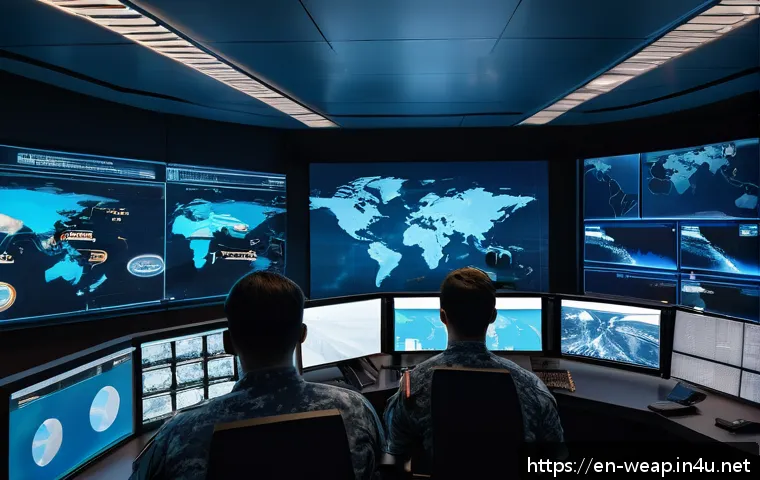
Electronic warfare is another domain where AI excels by detecting and jamming enemy communications or radar in real time. AI algorithms analyze signal patterns to identify hostile transmissions and deploy countermeasures faster than human operators ever could.
This rapid response can blind enemy sensors or disrupt command networks, providing a tactical edge. Soldiers on the ground have noted how these AI-enabled disruptions create critical windows of opportunity during engagements.
Offensive Cyber Operations Powered by AI
Beyond defense, AI is also used to conduct offensive cyber operations that target enemy infrastructure, communications, and even AI systems themselves.
Automated tools can scan networks, identify vulnerabilities, and launch precision attacks while adapting to countermeasures dynamically. This capability adds a new layer to warfare, where battles are fought not just physically but in the digital realm simultaneously.
Ethical Considerations and Human Oversight in AI Warfare
Maintaining Accountability in Autonomous Actions
One of the biggest concerns with AI on the battlefield is accountability—who is responsible when an autonomous system makes a lethal decision? Military doctrines emphasize the necessity of human oversight, ensuring that AI recommendations or autonomous engagements are supervised by trained personnel.
I’ve seen discussions where commanders stress the importance of clear rules of engagement and ethical frameworks to guide AI use, balancing technological power with moral responsibility.
Transparency and Explainability of AI Decisions
For trust to develop between soldiers and AI systems, transparency is key. Modern battlefield AI is designed to explain its reasoning in understandable terms, providing decision-makers with the “why” behind recommendations.
This explainability helps prevent blind reliance on AI and encourages critical evaluation. From conversations with military professionals, it’s clear that this feature improves confidence and reduces hesitation during fast-paced operations.
Balancing Technological Advantage With International Norms
The rapid deployment of AI in warfare raises questions about compliance with international laws and norms, including the protection of civilians. Military leaders are increasingly involved in shaping policies that govern AI use, striving to prevent escalation or misuse.
I’ve noticed a growing emphasis on collaboration between nations and organizations to establish ethical standards that keep AI-enabled warfare within acceptable boundaries.
Comparative Overview of AI Capabilities in Modern Warfare
| AI Application | Key Function | Impact on Battlefield | Examples |
|---|---|---|---|
| Data Fusion | Integrates sensor inputs for comprehensive situational awareness | Improves enemy tracking and prediction accuracy | Satellite + drone + ground sensor networks |
| Predictive Modeling | Simulates combat scenarios for strategic planning | Reduces decision-making time, enhances mission success | Battle simulations with live data integration |
| Autonomous Vehicles | Conduct reconnaissance, logistics, and combat tasks | Reduces risk to human soldiers, increases operational reach | Unmanned drones, robotic convoys |
| Electronic Warfare AI | Detects and counters enemy communications and radar | Disrupts enemy coordination, creates tactical advantages | Signal jamming, cyber countermeasures |
| Ethical AI Frameworks | Ensures human oversight and compliance with laws | Maintains accountability and trust in AI usage | Explainable AI, rules of engagement |
Future Trajectories in AI-Enabled Combat Systems
Integration of Quantum Computing for Faster Analysis
Looking ahead, quantum computing promises to turbocharge AI capabilities on the battlefield by processing complex data sets exponentially faster than today’s systems.
This leap could enable even more sophisticated real-time decision-making and cryptographic security. While still in experimental stages, some defense agencies are actively investing in quantum AI research, anticipating a future where milliseconds could mean the difference between victory and defeat.
Human-Machine Teaming Beyond Current Models
The next frontier involves deeper collaboration between humans and AI, where the lines between operator and system blur. Wearable AI assistants might provide soldiers with instant tactical advice, health monitoring, and augmented reality overlays that adapt dynamically to changing environments.
From what I’ve gathered, these developments aim to create truly symbiotic relationships that enhance human capabilities without diminishing autonomy.
Ethical AI Development and Global Collaboration
As AI warfare technology evolves rapidly, so does the need for global cooperation to set standards that prevent misuse and escalation. International forums and defense alliances are increasingly focused on sharing best practices and establishing norms for responsible AI deployment.
This collaborative approach will be essential to ensure that advances in AI contribute to security and stability rather than conflict and chaos.
In Conclusion
The integration of AI in modern warfare is revolutionizing battlefield awareness, decision-making, and operational efficiency. From real-time data fusion to autonomous systems and ethical oversight, AI is reshaping how conflicts are managed. While challenges remain, especially around accountability and transparency, the potential benefits for safety and strategic advantage are undeniable. Embracing these technologies thoughtfully will be key to future success.
Helpful Information to Know
1. AI-driven multi-source data fusion enhances situational awareness by combining inputs from satellites, drones, and ground sensors for a unified battlefield picture.
2. Predictive AI models simulate combat scenarios, helping commanders plan more effective strategies and reduce decision-making time.
3. Autonomous vehicles and drones perform reconnaissance, logistics, and combat tasks, minimizing risks to human soldiers.
4. Electronic warfare AI disrupts enemy communications and radar, providing a tactical edge during engagements.
5. Ethical AI frameworks ensure human oversight and transparency, maintaining trust and accountability in AI-powered operations.
Key Takeaways
AI technologies are transforming warfare by improving real-time awareness, enhancing strategic decision-making, and automating critical tasks while maintaining essential human control. The balance between leveraging AI’s power and upholding ethical standards remains crucial to ensure responsible use. Continuous innovation, combined with global collaboration on regulations, will shape the future landscape of AI-enabled combat systems.
Frequently Asked Questions (FAQ) 📖
Q: uestions about
A: I on the Battlefield
Q: How does
A: I improve decision-making during combat operations? A1: AI dramatically enhances decision-making by processing vast amounts of data in real time, far beyond human capacity.
It can analyze battlefield conditions, predict enemy movements, and recommend optimal tactics almost instantly. From my own experience studying military tech, this means commanders can adapt quickly to unexpected situations, reducing reaction times and increasing mission success rates.
The AI acts like a supercharged assistant, constantly crunching numbers and scenarios so humans can focus on strategy rather than raw data.
Q: What are the risks or ethical concerns associated with using
A: I in warfare? A2: The use of AI on the battlefield raises serious ethical questions, including accountability for autonomous decisions and the potential for unintended consequences.
For example, fully autonomous weapons systems might make life-or-death choices without human oversight, which is troubling to many experts. Additionally, there’s the risk of hacking or manipulation of AI systems, which could lead to catastrophic errors.
From what I’ve seen in discussions and expert panels, many militaries are trying to balance the advantages of AI with strict protocols to ensure human control remains central.
Q: Can
A: I systems adapt to unexpected changes or new threats during a mission? A3: Yes, modern AI systems are designed with machine learning algorithms that allow them to adapt quickly to new information or unforeseen changes on the battlefield.
For instance, if an enemy deploys a new tactic or weapon, AI can analyze incoming data, reassess risks, and suggest adjusted strategies in real time. I’ve observed demonstrations where these systems learned from simulated combat scenarios and improved their responses without human input, which is a game-changer in dynamic, high-pressure environments.
This adaptability significantly boosts tactical flexibility and survivability.