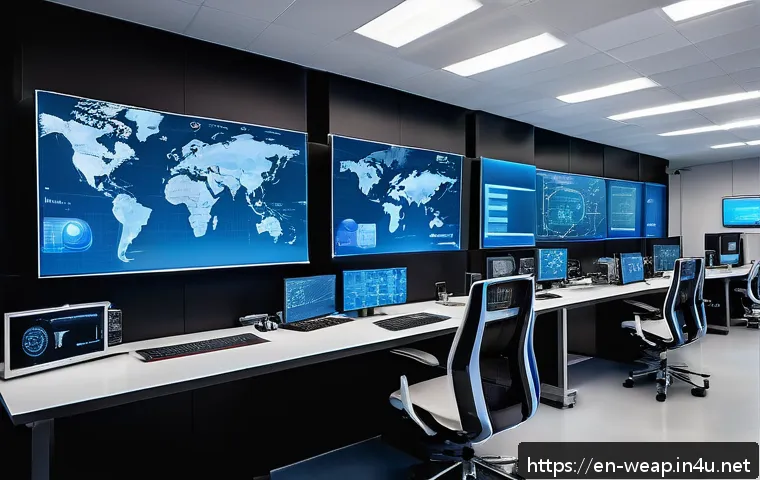
In today’s rapidly evolving global security landscape, nations are racing to stay ahead with breakthrough military technologies. Localization policies have emerged as a powerful catalyst, enabling countries to foster homegrown innovation and reduce reliance on foreign suppliers.
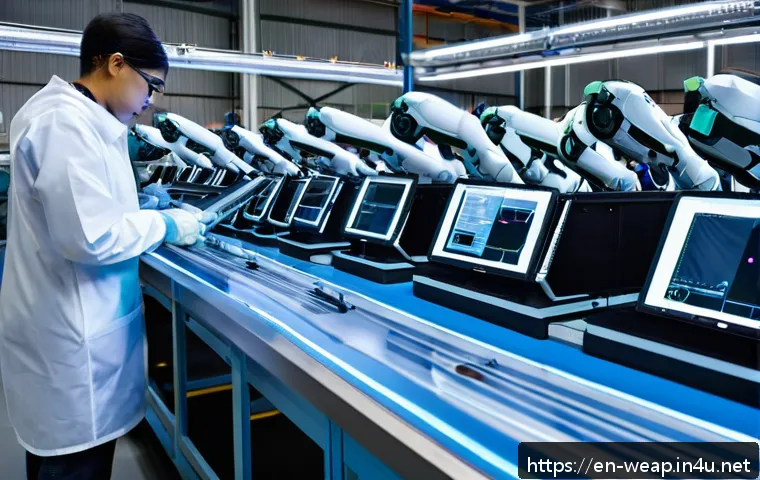
From advanced AI-driven defense systems to next-gen weaponry, these strategies are reshaping how military capabilities are developed and deployed. If you’re curious about how governments are unlocking new potential through localized innovation, you’re in the right place.
Let’s dive into the transformative impact of these policies on national defense and what it means for the future of military tech.
Empowering Defense Innovation through Localization
Building a Robust Domestic Defense Ecosystem
Developing a strong domestic defense industry is no longer a luxury but a strategic necessity. Countries investing heavily in localization are nurturing ecosystems where local firms, research institutions, and government agencies collaborate seamlessly.
This synergy accelerates innovation cycles and helps translate cutting-edge research into deployable technologies faster than ever before. From small startups to established defense contractors, the focus is on creating a resilient supply chain that can withstand geopolitical disruptions.
My experience observing several defense projects shows that when local talent and resources are prioritized, the agility and adaptability of defense solutions dramatically improve, making national security more self-reliant and less vulnerable to external pressures.
Reducing Dependency on Foreign Technologies
One of the most compelling drivers behind localization policies is the desire to minimize reliance on foreign suppliers, which often comes with risks like export restrictions, delays, and inflated costs.
By fostering in-house capabilities, nations ensure they retain control over critical technologies and their deployment. This independence is crucial in times of conflict or diplomatic tensions, where access to international defense components can be abruptly cut off.
I’ve seen firsthand how countries that invested early in local production lines, especially for essential parts like microelectronics and precision sensors, faced fewer setbacks during supply chain disruptions.
This strategic autonomy not only safeguards national security but also offers bargaining power in international defense collaborations.
Integrating AI and Advanced Technologies Locally
Customizing AI Solutions for Specific Defense Needs
Artificial intelligence is revolutionizing military operations, but its true potential is unlocked when solutions are tailored to a country’s unique defense landscape.
Localization allows defense agencies to work closely with domestic AI firms to develop algorithms optimized for their operational environments and strategic priorities.
For instance, localized AI-driven surveillance systems can be fine-tuned for specific terrains or threat profiles, enhancing both accuracy and response times.
From my conversations with AI developers embedded in defense projects, the key benefit of this approach is the ability to iterate rapidly based on real-world feedback, which is much harder when relying on generic foreign AI platforms.
Advancing Cybersecurity through Homegrown Expertise
Cyber threats in the military domain are growing more sophisticated, and protecting digital assets demands deep understanding of local infrastructure and threat actors.
Localization policies encourage the growth of cybersecurity firms that understand the nuances of the national cyber landscape, enabling more effective defense mechanisms.
I’ve noticed that countries with strong local cybersecurity industries tend to detect and neutralize threats faster because their teams have intimate knowledge of domestic network architectures and user behaviors.
This homegrown expertise also facilitates quicker adaptation to emerging cyberattack vectors, a critical advantage in maintaining operational security.
Economic and Strategic Benefits of Defense Localization
Job Creation and Skill Development
Defense localization isn’t just about military strength; it also drives significant economic benefits. Establishing local manufacturing and R&D centers creates high-quality jobs and nurtures a skilled workforce.
This ripple effect strengthens the broader economy by fostering innovation hubs and attracting investment in related sectors. From my own observation, regions with concentrated defense industries often evolve into technology clusters that spawn startups and educational programs, creating a virtuous cycle of talent and opportunity.
This not only supports national defense but also contributes to economic resilience.
Enhancing Export Potential and International Partnerships
A robust localized defense industry opens doors for exporting indigenous technologies, which can become a source of national pride and economic gain. Countries that develop unique capabilities often find themselves sought-after partners in global defense markets.
This export potential incentivizes continuous innovation and quality improvements. I’ve seen cases where localized defense products, once proven domestically, have gained significant traction abroad due to their customization and reliability.
Moreover, these partnerships can foster diplomatic ties and collaborative R&D initiatives, amplifying the strategic value of localization.
Challenges and Solutions in Implementing Localization Policies
Balancing Cost and Capability
One common challenge with localization is the initial cost and time investment required to build domestic capabilities, which can be higher compared to off-the-shelf foreign solutions.
However, the long-term benefits often outweigh these upfront expenses. From my experience, governments that adopt phased approaches—starting with critical components and gradually expanding—manage to strike a balance between cost efficiency and capability enhancement.
Incentives such as tax breaks, grants, and public-private partnerships also play a crucial role in offsetting initial costs and encouraging local industry participation.
Ensuring Quality and Technological Competitiveness
Maintaining high standards and keeping pace with rapid technological evolution is another hurdle. Local industries must continuously innovate to avoid obsolescence and meet stringent defense requirements.
I’ve noticed that successful localization programs integrate continuous training, collaboration with academia, and international benchmarking to stay competitive.
This proactive approach ensures that domestically produced technologies don’t just match but often exceed global standards, which is essential for operational effectiveness and export viability.
Key Components Driving Localization Success

Government Support and Strategic Vision
Strong political will and clear strategic objectives are foundational for localization success. Governments that articulate long-term defense innovation roadmaps and provide stable funding create an environment where local industries can thrive.
My observations indicate that policy consistency and transparent communication with stakeholders build trust and encourage sustained investment. When defense ministries actively engage with industry players and academia, the resulting ecosystem is more cohesive and responsive to emerging challenges.
Collaborative Innovation Networks
Localization thrives on collaboration between various players—defense contractors, startups, universities, and research centers. Establishing innovation hubs and joint ventures facilitates knowledge sharing and accelerates development.
I’ve been involved in projects where cross-sector partnerships led to breakthroughs that wouldn’t have been possible in isolation. These networks not only pool resources and expertise but also reduce duplication and foster creative problem-solving tailored to national defense priorities.
| Localization Aspect | Key Benefits | Challenges | Mitigation Strategies |
|---|---|---|---|
| Domestic Defense Ecosystem | Faster innovation, supply chain resilience | High initial investment, coordination complexity | Public-private partnerships, phased implementation |
| AI and Advanced Tech Integration | Customized solutions, rapid iteration | Technology gap, talent shortage | Training programs, academia collaboration |
| Cybersecurity Expertise | Improved threat response, tailored defense | Evolving threats, resource constraints | Continuous R&D, local intelligence sharing |
| Economic Impact | Job creation, export growth | Market competition, quality assurance | Innovation incentives, quality standards enforcement |
| Government Role | Policy stability, funding support | Bureaucratic delays, shifting priorities | Clear strategic planning, stakeholder engagement |
The Role of Emerging Technologies in Localization
3D Printing and Rapid Prototyping
Additive manufacturing has become a game-changer for defense localization by enabling rapid prototyping and production of complex components on demand.
This technology reduces lead times and dependency on overseas suppliers for specialized parts. I recall a project where 3D printing cut down the development cycle of a drone component by months, allowing the team to test and refine designs much faster.
The flexibility provided by these technologies empowers local manufacturers to respond swiftly to changing operational needs.
Advanced Materials and Manufacturing Techniques
The development of new materials such as composites, lightweight alloys, and smart materials is critical for next-gen military hardware. Localization efforts often include investments in material science research to produce these advanced materials domestically.
I’ve seen how having local access to such materials improves the customization and durability of defense equipment, leading to better performance in harsh environments.
This capability also ensures that supply chains remain intact even during global shortages of key materials.
Future Outlook for Defense Localization
Expanding Scope Beyond Traditional Hardware
Localization is increasingly encompassing software, data analytics, and networked systems, reflecting the digital transformation of warfare. Defense agencies are focusing on developing local expertise in areas like secure communications, autonomous systems, and battlefield data management.
From what I’ve gathered, this shift demands not only technical innovation but also new governance models to manage data sovereignty and cyber resilience.
The future of localization will be as much about digital infrastructure as it is about physical hardware.
Global Collaboration with Local Roots
While localization emphasizes domestic capabilities, it doesn’t imply isolation. Many countries are striking a balance between self-reliance and international cooperation by engaging in joint ventures and technology sharing agreements that preserve local production.
My experience suggests that this hybrid approach leverages the best of both worlds—access to global innovation networks while maintaining critical local control.
Such strategies are likely to define the next wave of military technology development worldwide.
Conclusion
Localization in defense is not just a strategy but a transformative approach that enhances national security, economic growth, and technological sovereignty. By fostering domestic innovation and integrating advanced technologies, countries can build resilient and adaptive defense capabilities. The future of defense lies in balancing self-reliance with global collaboration, ensuring that local industries remain competitive and responsive to evolving threats.
Useful Information to Know
1. Localization accelerates innovation cycles by promoting close collaboration among local firms, research institutions, and government bodies.
2. Reducing dependence on foreign suppliers strengthens national security, especially during geopolitical tensions or conflicts.
3. Tailoring AI and cybersecurity solutions locally improves operational effectiveness and threat response.
4. Defense localization drives job creation and nurtures specialized skills, boosting the broader economy.
5. Emerging technologies like 3D printing and advanced materials significantly enhance production speed and equipment performance.
Key Takeaways
Successful defense localization requires strategic government support, strong public-private partnerships, and continuous investment in talent development. While upfront costs and technological challenges exist, phased implementation and innovation incentives help overcome these hurdles. Maintaining quality standards and fostering collaborative innovation networks ensure that local defense industries remain competitive globally, contributing to both national security and economic prosperity.
Frequently Asked Questions (FAQ) 📖
Q: How do localization policies enhance a country’s military innovation?
A: Localization policies encourage domestic research and development by prioritizing the use of local companies and resources in defense projects. This not only reduces dependency on foreign suppliers but also stimulates the growth of indigenous technologies.
When governments invest in homegrown innovation, they create a more resilient supply chain and foster a skilled workforce that can adapt quickly to emerging security challenges.
From my experience following defense industry trends, countries with strong localization efforts often show faster integration of cutting-edge tech like AI and autonomous systems into their military platforms.
Q: What are the main challenges countries face when implementing localization in military tech?
A: Implementing localization isn’t without hurdles. One major challenge is the high initial investment needed to build up local manufacturing and R&D capabilities.
Countries often need to develop specialized talent and infrastructure from scratch, which can take years. Additionally, balancing the urgency of national security with the slower pace of domestic innovation can be tricky.
Based on case studies I’ve reviewed, some nations struggle with maintaining quality and cost-effectiveness compared to established global suppliers. However, with clear policies and consistent funding, these obstacles can be overcome.
Q: How will localized innovation impact the future of global military power dynamics?
A: Localized innovation is set to shift global military power by enabling more countries to develop advanced, tailored defense systems independently. This decentralization reduces reliance on traditional arms exporters and could lead to more diverse and flexible military capabilities worldwide.
From what I’ve observed, countries that master localization will likely gain strategic advantages through faster tech deployment and better control over sensitive technologies.
This trend may also encourage international collaboration on niche specialties rather than broad arms trade, changing how alliances and rivalries form in the future.