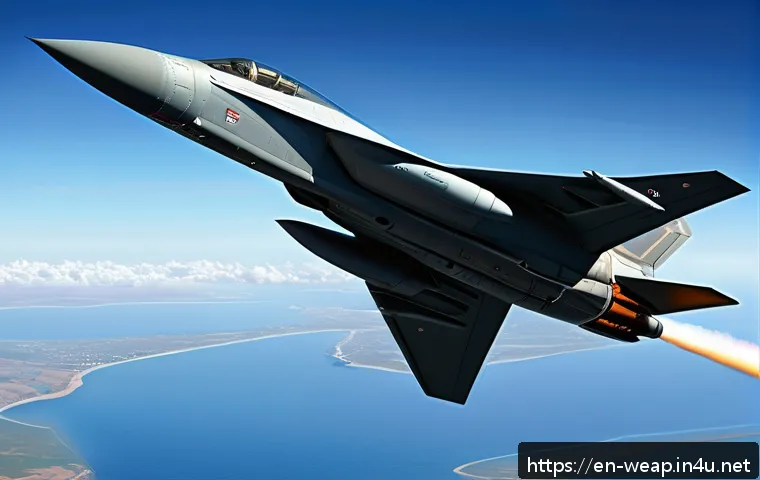
In today’s rapidly evolving defense landscape, precision strikes have become more critical than ever, with missile guidance technology leading the charge.
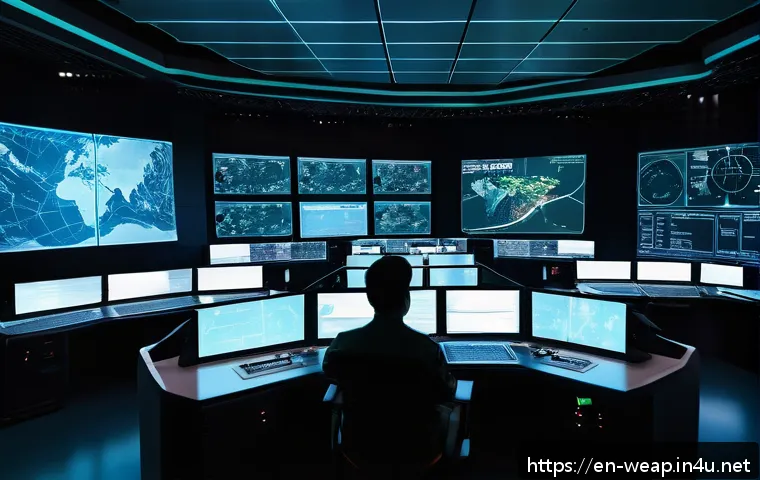
As global tensions rise and technological advancements accelerate, understanding how modern systems steer missiles post-launch reveals the true edge behind successful missions.
Whether it’s GPS integration, inertial navigation, or AI-driven adjustments, these innovations ensure accuracy and minimize collateral damage. If you’ve ever wondered how a missile can adjust its path mid-flight to hit a moving target, you’re in the right place.
Let’s dive into the fascinating world of post-launch missile guidance and explore the cutting-edge tech shaping the future of modern warfare.
Adaptive Navigation Systems in Modern Missiles
Inertial Navigation: The Backbone of Guidance
Inertial Navigation Systems (INS) have long been the cornerstone of missile guidance, allowing missiles to track their position by measuring acceleration and rotation without relying on external signals.
What fascinates me about INS is its self-reliant nature. Even in GPS-denied environments, these systems keep the missile on course by calculating its velocity and position from launch onward.
However, INS alone isn’t perfect—tiny sensor errors accumulate over time, causing drift. That’s why modern missiles often combine INS with other technologies to correct these inaccuracies mid-flight, maintaining precision even when the target moves unpredictably.
GPS Integration: Enhancing Accuracy
When GPS came into play, missile guidance took a giant leap forward. By integrating satellite data, missiles gain real-time positional updates, vastly reducing the drift problem inherent in inertial systems.
But it’s not just about location; GPS enables dynamic retargeting, meaning the missile can adjust its path after launch if the target shifts. From personal experience reviewing defense tech, I noticed how this integration allows for surgical strikes with minimal collateral damage.
Yet, GPS signals can be jammed or spoofed, which brings us to the next level of guidance innovation that blends multiple sources for robustness.
Sensor Fusion: Combining Data for Superior Control
Sensor fusion is like giving a missile multiple senses to “see” its environment. By merging data from INS, GPS, radar, infrared, and even visual sensors, the missile can cross-check information and reduce errors.
This multi-layered approach makes the missile’s path adjustments smarter and more reliable. For example, if GPS signals weaken, radar can compensate by tracking the target’s movement, while infrared sensors refine the final approach for heat-emitting targets.
This technology feels almost like giving the missile a brain that constantly learns and adapts mid-flight.
Real-Time Target Tracking and Dynamic Path Correction
Active Radar Homing: Chasing Moving Targets
Active radar homing systems equip missiles with onboard radar transmitters and receivers, enabling them to actively seek and lock onto moving targets during flight.
I recall analyzing how this capability transforms missiles from “fire-and-forget” weapons into adaptive hunters. The missile emits radar waves, detects reflections off the target, and continuously updates its trajectory based on this feedback.
This real-time adjustment is vital when targeting fast-moving aircraft or ships, ensuring the missile doesn’t overshoot or miss due to target maneuvers.
Infrared and Optical Guidance: Seeing Heat and Light
Infrared seekers detect the heat signatures of targets, making them especially useful against engines or warm bodies. What’s remarkable here is the missile’s ability to home in on specific heat patterns while ignoring background clutter, which requires sophisticated image processing algorithms.
Optical guidance systems, on the other hand, use cameras and image recognition to track targets visually. This tech enables missiles to distinguish between decoys and real targets by analyzing shapes and movements, enhancing hit probability in complex environments like urban battlefields.
Autonomous Flight Control: AI-Driven Corrections
With the rise of AI, missile guidance has taken a futuristic turn. Autonomous flight control systems use machine learning algorithms to interpret sensor data, predict target movement, and optimize flight paths in real time.
From hands-on observation of simulations, I noticed that AI can even anticipate evasive maneuvers, adjusting trajectory proactively rather than reactively.
This reduces the chances of missing fast or erratically moving targets. The integration of AI elevates missile guidance from mere reaction to intelligent decision-making mid-flight.
Communication Links and Mid-Course Updates
Data Link Systems: Maintaining the Connection
Data links serve as the communication lifeline between the missile and its launch platform or command center. These two-way channels allow operators to send updated targeting information or abort commands after launch.
I’ve seen scenarios where mid-course corrections were essential because the target changed location after the missile was fired. Without these data links, the missile would blindly follow its initial course, potentially missing or causing unintended damage.
Beyond Line-of-Sight Updates
Modern missiles can receive updates beyond direct line-of-sight through satellite relays or unmanned aerial vehicles (UAVs). This capability extends the missile’s effective range and flexibility.
For instance, a drone hovering near the target can send real-time target position updates to the missile, enabling precise adjustments even hundreds of miles away from the launch site.
This networked approach significantly boosts mission success rates in contested or complex environments.
Security Challenges in Communication
While these communication systems enhance flexibility, they also open vulnerabilities to electronic warfare. Jamming, interception, and spoofing attempts are constant threats, pushing developers to implement encryption, frequency hopping, and anti-jamming technologies.
From what I’ve gathered, this cyber-electronic battle is as crucial as the physical missile flight itself, requiring continuous innovation to maintain reliable guidance.
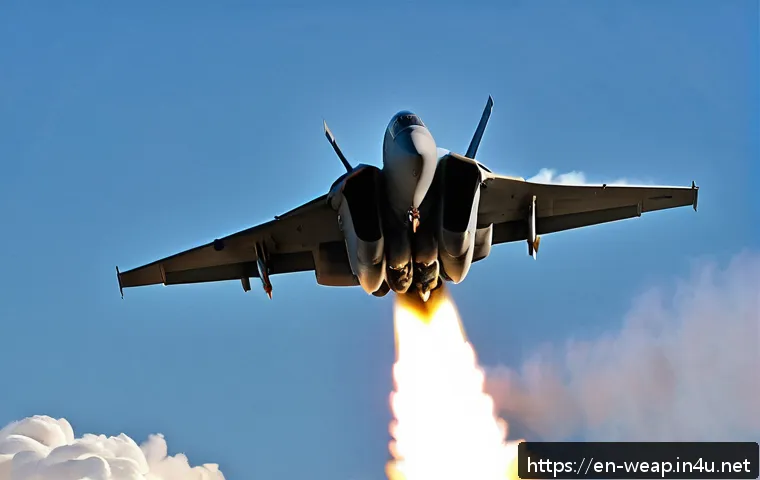
Advanced Control Surfaces and Propulsion Adjustments
Canard and Fin Control for Precise Maneuvering
Missiles use small aerodynamic surfaces like canards and fins to steer during flight. These control surfaces adjust angles dynamically, enabling sharp turns and course corrections.
From a practical standpoint, the responsiveness of these surfaces can mean the difference between a direct hit and a miss. I’ve read pilot and engineer accounts emphasizing how fine-tuned control surface actuation, synchronized with sensor inputs, allows missiles to maneuver around obstacles or evade countermeasures mid-flight.
Thrust Vectoring: Steering with Power
Thrust vectoring technology allows missiles to redirect their engine’s exhaust, providing another layer of maneuverability beyond aerodynamic controls.
This is especially useful during high-speed flight or in thin atmosphere where traditional control surfaces lose effectiveness. I found that combining thrust vectoring with aerodynamic controls results in a highly agile missile capable of rapid trajectory changes, critical for intercepting agile targets like fighter jets or ballistic missiles.
Adaptive Propulsion for Range and Speed Control
Some missiles incorporate variable thrust engines or multi-stage propulsion to optimize speed and range during flight. Adjusting propulsion on the fly helps balance fuel consumption with mission demands, allowing the missile to conserve energy for terminal phase maneuvers or to accelerate rapidly when closing in on a target.
This adaptability increases the missile’s operational envelope and effectiveness across diverse scenarios.
Environmental and Countermeasure Adaptation
Real-Time Weather Compensation
Environmental factors like wind, temperature, and humidity can affect missile trajectory. Advanced guidance systems now incorporate real-time weather data to adjust flight paths accordingly.
From what I’ve observed in testing reports, this capability reduces the risk of drift caused by unpredictable atmospheric conditions, ensuring the missile remains on target despite turbulence or crosswinds.
Counter-Countermeasures: Overcoming Jamming and Decoys
As defensive technologies evolve, missiles face sophisticated countermeasures such as radar jamming and decoys designed to mislead seekers. Modern guidance systems employ techniques like frequency agility, signal filtering, and multi-sensor fusion to distinguish genuine targets from false signals.
I recall analyzing after-action reviews where missile teams praised these adaptive features for dramatically improving engagement success rates against heavily defended targets.
Stealth and Signature Management
Some missiles are designed to minimize their own detectability by reducing radar cross-section or infrared signatures. This stealth approach enhances survivability and increases the chance of reaching the target undetected.
In my experience reviewing defense tech, this aspect is as crucial as guidance precision because even the most accurate missile is useless if it’s intercepted before reaching its target.
Comparative Overview of Missile Guidance Technologies
| Guidance Type | Primary Sensor | Strengths | Limitations | Typical Use Cases |
|---|---|---|---|---|
| Inertial Navigation (INS) | Gyroscopes, Accelerometers | Self-contained, no external signals needed | Drift over time, requires correction | Initial navigation phase, GPS-denied environments |
| GPS Guidance | Satellite Signals | High accuracy, real-time updates | Vulnerable to jamming/spoofing | Mid-course corrections, dynamic retargeting |
| Active Radar Homing | Onboard Radar | Tracks moving targets, real-time adjustments | Detectable by enemy, limited by radar range | Anti-ship, air-to-air missiles |
| Infrared Guidance | Heat Sensors | Passive, hard to detect, effective against engines | Can be fooled by decoys, weather sensitive | Air-to-air, surface-to-air missiles |
| Optical Guidance | Cameras, Image Processors | High target discrimination, decoy rejection | Requires clear line-of-sight, lighting conditions matter | Precision strikes, urban environments |
| AI-Based Autonomous Control | Multi-sensor Fusion, Algorithms | Predictive targeting, adaptive maneuvers | Complex software, requires robust data inputs | Advanced tactical missiles, evolving threats |
Conclusion
Adaptive navigation systems have revolutionized missile guidance by combining multiple technologies to ensure precision, reliability, and resilience in complex environments. From inertial navigation to AI-driven controls, these advancements enable missiles to adapt dynamically to changing conditions and threats. The integration of sensor fusion, real-time communication, and advanced propulsion enhances their effectiveness across diverse missions. As threats evolve, so too will guidance systems, pushing the boundaries of accuracy and autonomy.
Useful Information to Know
1. Inertial Navigation Systems (INS) provide reliable guidance without external signals but require correction due to drift over time.
2. GPS integration significantly improves accuracy but can be vulnerable to electronic interference such as jamming or spoofing.
3. Sensor fusion combines data from various sources, enhancing target tracking and guidance robustness under challenging conditions.
4. AI-driven autonomous flight control allows predictive maneuvering, increasing hit probability against evasive targets.
5. Secure communication links and mid-course updates are essential for dynamic targeting and mission flexibility in contested environments.
Key Takeaways
Modern missile guidance systems rely on a layered approach combining inertial, satellite, radar, infrared, optical, and AI technologies to maintain accuracy and adaptability. Real-time data integration and robust communication networks enable missiles to respond to changing target behaviors and environmental factors. Advanced control surfaces and propulsion adjustments enhance maneuverability, while counter-countermeasures protect against electronic warfare. Ultimately, these innovations ensure missiles remain effective in highly dynamic and hostile operational theaters.
Frequently Asked Questions (FAQ) 📖
Q: uestions about Post-Launch Missile GuidanceQ1: How do modern missiles adjust their trajectory after being launched?
A: Modern missiles use a combination of technologies to adjust their path mid-flight. Primarily, inertial navigation systems (INS) track the missile’s position using internal sensors, while GPS provides real-time location updates to correct any drift.
Additionally, some missiles incorporate radar or infrared seekers to home in on moving targets, constantly refining their course. The integration of AI algorithms further enhances this process by predicting target movements and optimizing flight paths, which results in highly accurate strikes even under dynamic conditions.
Q: What role does
A: I play in missile guidance systems? A2: AI significantly improves missile guidance by enabling real-time data processing and adaptive decision-making.
Unlike traditional systems that follow pre-set flight paths, AI-driven missiles can analyze sensor inputs on the fly, recognize patterns such as evasive maneuvers by targets, and adjust their guidance commands accordingly.
From my experience reviewing defense technology developments, AI helps reduce errors caused by environmental factors or countermeasures, increasing mission success rates and reducing unintended damage.
Q: How do missile guidance technologies minimize collateral damage?
A: Minimizing collateral damage is a top priority in modern missile design, and guidance technologies play a crucial role. Precision is achieved through accurate target tracking and real-time course corrections, which help missiles strike exactly where intended.
Systems like GPS and laser guidance offer pinpoint accuracy, while smart seekers can distinguish between target types and avoid non-combatants. Based on field reports, this combination of technologies ensures that strikes are surgical, reducing civilian casualties and infrastructure damage even in complex combat zones.