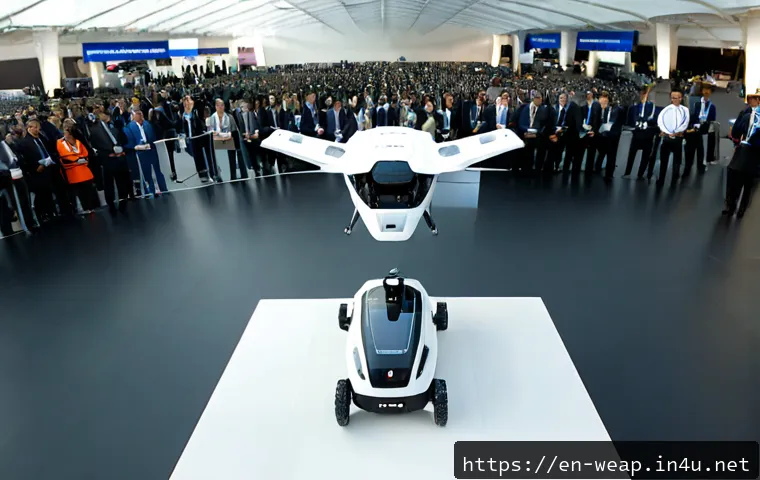
Defense trade show conversations increasingly center on autonomous systems, counter-UAS capabilities, interoperability, sustainment, and cybersecurity—but attention at an event is not proof of procurement readiness.
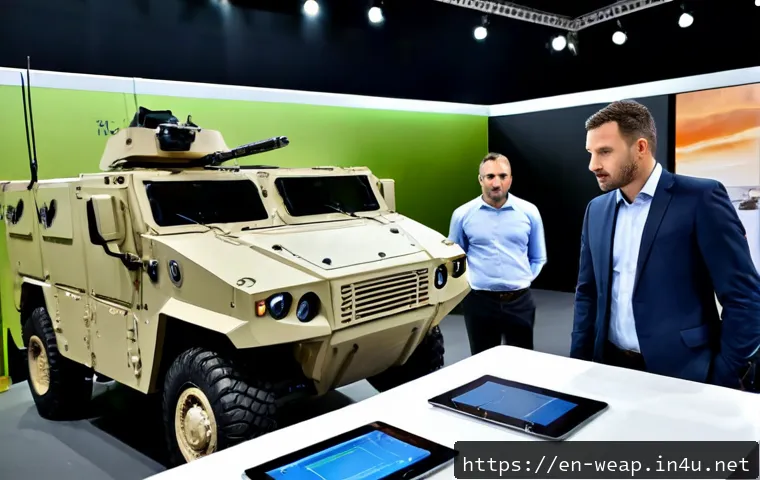
Buyers and exhibitors should evaluate mission fit, integration burden, lifecycle support, and compliance requirements before treating a display as a viable opportunity.
For procurement teams, the best return often comes from structured supplier meetings rather than broad booth visits. For exhibitors, qualified conversations and credible evidence usually matter more than raw badge scans.
Event participation can involve meaningful travel, logistics, staffing, and compliance exposure, so a requirements-first plan helps control costs. The practical question is not simply which technology looks impressive, but whether the supplier can support deployment, maintenance, secure integration, and relevant restrictions.
At a Glance
- Autonomous systems, counter-UAS, secure interoperability, and sustainment are major areas to examine, but each may carry different integration and support demands.
- Ask suppliers for evidence on maturity, training, maintenance, cybersecurity, and compatibility rather than relying on a live demonstration alone.
- Before committing an event budget, compare qualified access, logistics needs, compliance support, and follow-up capacity.
| Trend Area | Potential Buyer Value | Implementation Burden | Supplier Evidence to Request | Relevant Service Category |
|---|---|---|---|---|
| Autonomous and uncrewed systems | May support new operational concepts and reduce selected task burdens. | Integration, operator training, control architecture, and sustainment planning may be substantial. | System maturity, integration approach, training scope, maintenance model, and operating limitations. | Procurement software, systems integration, compliance consulting. |
| Counter-UAS and electronic protection | May strengthen resilience against evolving aerial and electronic threats. | Requires careful coordination with existing air-defense, communications, and operating procedures. | Detection and response concept, interoperability details, cybersecurity approach, and support responsibilities. | Technical evaluation, secure communications, specialist consulting. |
| Interoperability and secure communications | Can improve information sharing across systems and partners when requirements align. | Data governance, network security, interface requirements, and authorization processes can be complex. | Interface documentation, data-handling approach, cybersecurity responsibilities, and integration support. | Cybersecurity services, procurement platforms, integration support. |
| Sustainment and repair capacity | Helps decision-makers assess whether a capability can remain usable beyond initial delivery. | Depends on parts access, repair arrangements, training, documentation, and supplier capacity. | Maintenance concept, repair pathway, support coverage, training plan, and lifecycle responsibilities. | Event logistics, supplier evaluation, lifecycle support services. |
What Is Shaping Defense Trade Show Conversations Now?
The most useful way to read a defense exhibition is to look beyond the display itself. Conversations often move toward integration, survivability, secure data exchange, and lifecycle readiness. A system may be visually compelling, but a buyer still needs to know how it connects to current operations, who supports it after delivery, and whether relevant compliance conditions can be met.
Autonomous and Uncrewed Systems Moving From Demonstration to Integration Discussions
Autonomous and uncrewed platforms can attract strong attention because they suggest new ways to support sensing, mobility, monitoring, or other mission functions. However, the buyer question is usually not whether a platform can move or operate during a demonstration. It is whether the offering has a clear role within a broader operating concept.
Ask how the system will be controlled, supervised, maintained, updated, and integrated with existing communications or command arrangements. Request a clear explanation of operator training, software support, maintenance responsibilities, and system limitations. If those details remain vague, the offering may still be closer to a showcase than a procurement-ready solution.
Counter-UAS, Electronic Protection, and Air-Defense Resilience
Counter-UAS discussions commonly involve more than a single device. Detection, identification, response options, communications security, and coordination with other protective systems may all matter. A supplier presentation should therefore be assessed as part of a broader resilience question, not as an isolated product claim.
Buyers can ask how the proposed capability fits within existing procedures and technical environments. It is also reasonable to request clarity on integration dependencies, cybersecurity responsibilities, operator workflows, and support requirements. Do not assume that a displayed system is approved, available, exportable, or operationally deployed without confirming those points through appropriate channels.
Interoperability, Secure Communications, and Data-Sharing Requirements
Interoperability has become a central evaluation theme because systems rarely operate in isolation. A product that cannot connect securely, exchange usable data, or fit required workflows can create more burden than value. At a trade show, suppliers may use broad language around connectivity or open architecture, so procurement teams should ask for specifics.
Useful questions include: What interfaces are supported? Who is responsible for integration work? How is data handled? What cybersecurity controls are expected from the customer? A credible supplier should be able to discuss technical boundaries, implementation roles, and ongoing security support without overstating what has already been validated.
Sustainment, Repair Capacity, and Lifecycle Readiness Gaining Attention
A procurement decision should not stop at initial delivery. Sustainment can include training, spares, repair arrangements, technical documentation, updates, and a practical support relationship. For many teams, these areas reveal more about supplier fit than the visual scale of a booth.
Ask who performs repairs, how maintenance is organized, what training is included, and whether the supplier can explain its support model in practical terms. A supplier that focuses only on initial performance claims while avoiding lifecycle questions deserves additional due diligence. Lifecycle readiness is part of capability readiness.
Compare the Trends by Procurement Value, Cost, and Readiness
No trend is automatically the right investment. The appropriate choice depends on mission requirements, existing systems, personnel capacity, security needs, and the ability to sustain the capability over time. A comparison framework helps teams move from exhibition impressions to disciplined supplier evaluation.
A Practical Comparison Table for Capability Value Versus Deployment Complexity
Use the earlier table as a starting point, then add your organization’s own requirements. A capability with strong potential value may also demand complex integration, specialist training, secure network access, or new maintenance arrangements. These burdens do not make a system unsuitable; they simply need to be visible before a procurement process advances.
For each supplier meeting, record the expected benefit, key dependency, unanswered question, and responsible follow-up owner. Procurement software or a structured supplier-evaluation template can help preserve the evidence trail after the event, particularly when multiple technical and commercial stakeholders are involved.
Questions to Ask About Integration, Training, Maintenance, and Cybersecurity
- What must be in place before the system can be integrated into the intended environment?
- What training is needed for operators, maintainers, and administrators?
- How are updates, repairs, technical support, and documentation handled?
- What data is collected, transmitted, stored, or shared through the solution?
- Which cybersecurity responsibilities remain with the supplier, and which fall to the customer?
- What restrictions, approvals, or compliance reviews may affect discussions or delivery?
These questions are useful because they shift a conversation from broad marketing language toward implementation accountability. A supplier does not need to disclose sensitive details on a show floor, but it should be able to define the next appropriate evaluation step.
How to Distinguish a Prototype Showcase From a Procurement-Ready Offering
A prototype may still be relevant, especially for long-range planning or partnership discussions. The problem arises when a prototype is treated as a ready solution without supporting evidence. Look for a clear explanation of the product’s current status, its support model, integration needs, and the pathway for formal evaluation.
Warning signs include broad claims with no discussion of operating constraints, unclear maintenance responsibility, evasive answers about cybersecurity, or an inability to identify who will support deployment. Avoid treating a polished demonstration as verified performance evidence. Demonstration value and procurement readiness are different tests.
Budgeting for Attendance, Exhibiting, and Supplier Evaluation
Defense-event budgets should be evaluated as a business-development or procurement investment, not simply as a travel line item. The right participation level depends on the meetings you can realistically secure, the evidence you need to collect, and the follow-up resources available after the event.
Typical Cost Categories: Travel, Booth Design, Freight, Staffing, Security, and Follow-Up
Attendance and exhibiting can involve travel, accommodation, booth design, freight, staffing, security arrangements, meeting space, lead capture, and post-event follow-up. Costs and package details vary by event, organizer, location, and exhibitor requirements, so they should be confirmed directly rather than estimated from general assumptions.
For exhibitors, a complete budget should also account for the time needed to prepare compliant materials, schedule meetings, brief staff, process leads, and respond to requests after the show. Event logistics providers and B2B exhibitor services may be useful where freight coordination, booth operations, or meeting management would otherwise strain internal resources.
When a Smaller Meeting Program May Provide Better Value Than a Large Exhibition Presence
A large exhibition presence is not always necessary. If the goal is to meet a limited set of qualified buyers, partners, or suppliers, a focused meeting program may offer better control over cost exposure and staff time. This approach can be particularly useful for a first-time exhibitor or a specialist supplier with a narrow target audience.
Before selecting a format, define what success means. It could be verified buyer meetings, technical follow-up sessions, partner discussions, or supplier screening—not simply foot traffic. Qualified access is more meaningful than a high volume of unfiltered contacts.
Evaluating Event Logistics, Lead-Management, and Compliance-Support Vendors
Specialist service providers can support booth logistics, lead management, meeting coordination, and compliance preparation. The best fit depends on the complexity of your participation and your internal capacity. Ask what work is included, what remains your responsibility, how information is handled, and what documentation will be available after the event.
When comparing providers, focus on scope clarity rather than promotional promises. Review their approach to logistics coordination, secure lead handling, staff support, compliance awareness, and post-event reporting. Official event guidance and detailed service conditions are the right places to verify package inclusions before committing budget.

Common Due-Diligence Mistakes to Avoid
Trade shows are efficient places to identify options, but they are not substitutes for technical, commercial, legal, or security review. A disciplined process prevents an attractive exhibit from becoming an unsupported procurement assumption.
Treating Promotional Demonstrations as Verified Performance Evidence
A demonstration may show design intent, selected functionality, or a proposed operating concept. It does not automatically establish performance in every environment or prove readiness for a particular customer need. Record what was shown, what was claimed, and what still requires independent confirmation.
Ask for follow-up materials that explain conditions, dependencies, and limitations. If a supplier cannot distinguish between demonstrated features and future plans, keep the opportunity in an exploratory category until further evidence is available.
Ignoring Export Controls, End-Use Restrictions, and Local Procurement Rules
Export controls, end-use restrictions, security procedures, procurement rules, and other requirements can differ by country and situation. They may affect what can be discussed, transferred, demonstrated, acquired, or supported. These requirements should not be inferred from a product’s presence at an exhibition.
Engage appropriate internal compliance personnel or qualified compliance consulting support before advancing sensitive discussions. Availability at an event does not confirm eligibility for a specific buyer or transaction.
Overlooking Total Lifecycle Costs, Integration Risk, and Supplier Support Capacity
Initial acquisition considerations are only one part of the decision. A capability may require integration work, secure infrastructure, training, maintenance, documentation, updates, and supplier responsiveness over time. These factors can materially influence practical value.
During supplier evaluation, ask who owns each task, what assumptions are being made, and where the customer may need external support. A clear answer does not guarantee success, but it provides a stronger basis for comparing suppliers fairly.
Guidance by Visitor Type: Buyers, Suppliers, and Industry Analysts
Each visitor group benefits from a different event plan. The common principle is to arrive with a clear purpose and leave with documented next steps rather than a collection of general impressions.
Procurement Teams: Build a Requirements-First Meeting Plan
Start with the mission need, technical boundaries, lifecycle expectations, and relevant approval process. Then identify suppliers whose offerings may fit those requirements. Schedule meetings around unanswered questions, not around the largest displays.
Use a consistent scorecard covering mission fit, maturity, interoperability, cybersecurity, sustainment, supplier support, and compliance considerations. This makes it easier to compare follow-up opportunities after the event.
Exhibitors: Prioritize Qualified Meetings Over Raw Badge Scans
Exhibitors should define the audience they need to reach and prepare staff to have focused conversations. A concise explanation of the product’s fit, maturity, support model, and next evaluation step is more useful than an overly broad pitch.
Lead-management tools can help organize follow-up, but the quality of the underlying discussion remains decisive. Capture the prospect’s role, stated requirement, constraints, and agreed action—not merely contact details. For a smaller supplier, a targeted meeting plan may be more practical than an expensive broad-presence strategy.
Analysts and Investors: Track Partnerships, Production Capacity, and Sustainment Signals
Analysts and investors can use exhibitions to observe how suppliers position their capabilities and which partnership themes recur. The most useful signals often come from questions around integration, support capacity, maintenance, and the ability to move from concept to sustained delivery.
Do not treat announcements or booth activity as confirmation of contract outcomes, program budgets, or operational deployment. Instead, separate visible messaging from evidence that can be verified through appropriate disclosures and follow-up research.
Selection Criteria and Comparison Summary
Before approving technology, travel, exhibition, or vendor budgets, use this short decision checklist:
- Does the capability have a clear mission fit for the intended user?
- Is the offering’s maturity and readiness explained with enough evidence for the current decision stage?
- Can it meet relevant interoperability, secure communications, and cybersecurity requirements?
- Are training, maintenance, repair, and lifecycle support responsibilities clearly identified?
- Have export controls, end-use restrictions, local procurement rules, and security requirements been reviewed where relevant?
- Does the event participation model provide enough qualified access to justify its cost exposure?
Compare exhibitor packages, logistics support, lead-management options, and compliance capabilities before committing budget. Official event information and detailed vendor conditions are the best places to check what is included and what still requires internal resources.
Conclusion
Defense trade shows can be valuable for discovery, supplier comparison, and structured business discussions. Their value improves when visitors treat them as part of a wider evaluation process rather than a final proof point. Focus on mission fit, credible implementation planning, lifecycle support, and compliance awareness. Whether you are buying, exhibiting, or analyzing the market, a documented follow-up process is what turns event activity into a usable decision.
Useful Information
Practical reminder: Bring a short requirements sheet, a supplier question list, and a follow-up template. Ask each supplier to identify the next evaluation step, the information they can provide, and any constraints that need formal review. This keeps post-event work organized and reduces reliance on memory or promotional materials.
Important Notes
Technology visibility at a defense exhibition does not confirm approval status, availability, export eligibility, operational deployment, contract value, or procurement outcome. Event pricing, sponsorship terms, attendance costs, and country-specific compliance requirements must be checked with the relevant organizer, supplier, and qualified internal or external advisers. This guide is a general evaluation framework, not a procurement, export-control, legal, or security determination.
Frequently Asked Questions
Q1. What are the most important trends to watch at defense trade shows?
A1. Key areas to examine include autonomous and uncrewed systems, counter-UAS capabilities, electronic protection, interoperability, secure communications, cybersecurity, and sustainment. The most relevant trend depends on the buyer’s mission requirements and ability to support integration and lifecycle needs.
Q2. How should procurement teams compare technology suppliers at an exhibition?
A2. Use a consistent framework covering mission fit, system maturity, interoperability, training, maintenance, cybersecurity, supplier support, and compliance considerations. Ask for follow-up evidence rather than treating a demonstration or marketing claim as proof of procurement readiness.
Q3. Is exhibiting at a defense trade show worth the cost for a smaller supplier?
A3. It may be worthwhile when the event provides realistic access to qualified buyers, partners, or decision-makers that match the supplier’s offering. A smaller meeting-focused program can sometimes be a better fit than a large exhibition presence, especially when budget, staffing, logistics, and follow-up capacity are limited.