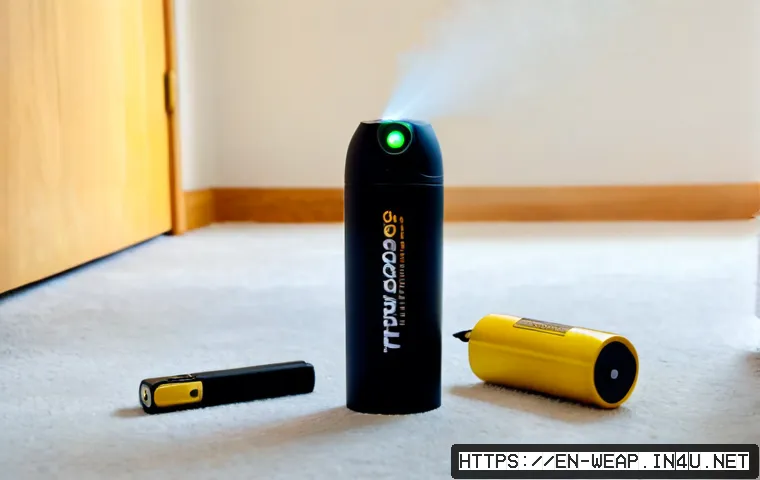
For everyday personal safety, start with tools that are lawful where you are, simple to reach, and designed to help you leave rather than confront someone.
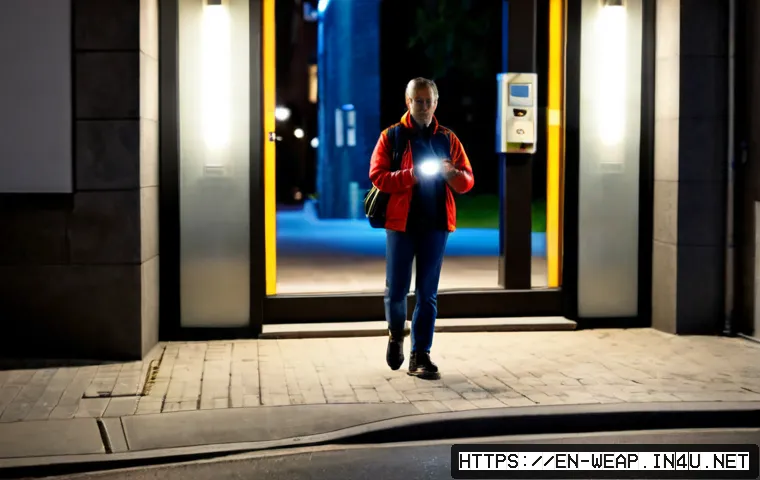
A personal alarm, reliable compact flashlight, emergency-contact feature, and escape-focused safety training are often practical first choices. The right setup depends on your routine, local rules, and how easily you can use it under stress.
Before comparing products, think about where you walk, commute, travel, and store your belongings. A tool that stays buried in a bag or requires complicated steps may not be useful when time matters.
No product guarantees protection, so keep emergency communication and exit planning at the center of your decision.
At a Glance
- Choose lawful, simple tools first: an alarm, flashlight, and emergency-contact plan can support a quick exit without requiring complex use.
- Accessibility matters: a safety product is more useful when you can reach and activate it quickly under stress.
- Training adds value: awareness, boundary-setting, and escape-focused responses can be useful with or without a product.
| Option | Primary Safety Value | Ownership and Maintenance Considerations | Best Decision Question |
|---|---|---|---|
| Personal alarm | Can attract attention and create an opportunity to leave | Check activation method, battery status, attachment point, and replacement needs | Can I activate it immediately while walking or carrying bags? |
| Compact flashlight | Improves visibility and helps identify surroundings in low-light areas | Consider charging or battery needs, durability, and daily carry convenience | Will I actually carry it and keep it charged? |
| Safety app or emergency-contact feature | Supports communication and contact sharing when available | Review privacy settings, phone access, battery level, and any service terms | Can I use it quickly without searching through my phone? |
| Safety training | Builds awareness, verbal boundary-setting, and escape-focused habits | Compare class approach, schedule, instructor information, and practice format | Does the class emphasize getting away rather than escalating a confrontation? |
Start With Safety, Legality, and a Plan to Leave
The Short Answer: Choose Tools That Create Time, Attention, and Distance
The most practical everyday personal-safety setup is usually not the most aggressive-looking one. It is the setup you can legally carry, locate quickly, and use correctly when you are distracted, tired, or worried. A personal alarm may draw attention. A compact flashlight may help you see a path, doorway, parking area, or unfamiliar surroundings. An emergency-contact feature may help you communicate sooner.
These tools are not substitutes for emergency services. Their value is often in helping you notice a problem earlier, make a clearer decision, and move toward a safer place. When immediate danger is present, prioritize getting away and contacting emergency services when possible.
Check Local Rules Before Buying or Carrying Any Defensive Item
Personal-safety laws and restrictions can vary by country, state, city, workplace, school, transit system, and event venue. An item that appears in a self-defense product comparison may still be restricted, prohibited, or subject to carrying and storage rules where you live or travel.
Before purchasing any item marketed for self-defense, check the rules that apply to your specific situation. Consider your commute, your workplace, public transit, airports, school grounds, apartment policies, and event venues. “Available to buy” does not automatically mean “permitted to carry.” If you are unsure, choose a lower-risk option such as a lawful alarm, lighting tool, communication plan, or safety training until you can confirm the details.
Why Awareness and Exit Planning Matter More Than Product Marketing
Safety-product marketing can make a device seem like a complete solution. It is not. A product has limited value if it is inaccessible, unfamiliar, uncharged, or prohibited in the place where you need it. Awareness and exit planning are useful because they do not depend on a single device working perfectly.
Think through simple questions: Where is the nearest well-lit place? Who could you call? Can you change your route if something feels wrong? Is your phone easy to reach? These questions are not about living in fear. They are about reducing hesitation and making it easier to leave an uncomfortable situation early.
Compare Everyday Personal Safety Options Before You Buy
Personal Alarms: Portability, Activation, Battery Checks, and Sound Expectations
A personal alarm is often appealing because it can be small, portable, and straightforward. Its purpose is not to solve every situation. Its potential value is to create a loud signal that may attract attention and give you an opportunity to move away.
When comparing a personal alarm, focus on activation simplicity. Can you operate it without looking closely? Can you reach it if you are carrying groceries, a work bag, or luggage? Consider where it will live: a key ring, outer pocket, bag strap, or another location you can access without digging.
Also check the maintenance details. Battery-operated products may require periodic checks. Rechargeable designs may require a charging routine. Read the product details for reliability information, warranty coverage, and retailer return terms rather than assuming all models perform the same way. A low-cost alarm that you test and keep accessible may be more useful than a feature-heavy device you never maintain.
Compact Flashlights: Visibility, Durability, Charging, and Daily Carry Convenience
A reliable flashlight is a practical safety tool because better visibility can support safer movement in low-light areas. It can help you identify uneven pavement, entrances, parking spaces, transit stops, hotel corridors, and the people or objects around you.
For everyday carry, prioritize ease of carry over impressive specifications that do not fit your routine. A flashlight that is too bulky for a pocket, bag, or key area may stay at home. Review whether it uses replaceable batteries or charging, whether the switch is easy for you to operate, and whether the size suits your hands.
Charging habits matter. If you rely on a rechargeable flashlight, include it in the same routine as charging your phone. If it uses batteries, keep track of replacement needs. The goal is dependable visibility, not a complicated device that creates another task you are unlikely to keep up with.
Safety Apps and Emergency-Contact Tools: Useful Features and Privacy Considerations
Many people already carry a phone, making emergency-contact features a reasonable part of a personal safety plan. Depending on your device and service, useful functions may include quick access to emergency contacts, location sharing, or an emergency call shortcut. Features and availability can vary, so review your own phone settings carefully.
Set up important contacts before you need them. Make sure you know how to access the feature without searching through multiple screens. It is also wise to consider privacy settings: understand who can see shared information, when sharing begins, and how it ends.
A phone should not be your only layer of preparation. Batteries run down, service may be limited, and stressful situations can make screens difficult to use. A simple alarm or flashlight can complement a communication plan without depending on the same conditions.
Training Classes: What to Look for in Escape-Focused Instruction
Safety training can be valuable regardless of the products you carry. Look for instruction that emphasizes awareness, boundary-setting, decision-making, and getting away. A class should not encourage false confidence or suggest that any technique works the same way for every person and every situation.
Before enrolling, review the class description and ask what the instruction focuses on. Consider whether the format is appropriate for your physical ability, schedule, work environment, and comfort level. An escape-focused class may be a better fit for everyday safety planning than one centered on confrontation.
Training can also help you identify weak points in your setup. For example, you may discover that your phone is difficult to reach, your alarm is buried in a bag, or your usual walking route has poor lighting. That kind of practical review can be as useful as buying another product.
Cost, Maintenance, and Value: What Are You Actually Paying For?
Upfront Price Versus Replacement Batteries, Charging, Subscriptions, and Warranties
When comparing personal safety products, do not look only at the purchase price. Consider the ongoing effort and possible costs connected to batteries, charging equipment, replacement parts, service subscriptions, storage, and warranty coverage. These details can affect whether a tool remains ready to use.
A personal alarm may require battery checks. A compact flashlight may need charging or replacement batteries. A safety app or emergency-contact service may have account terms or privacy settings to review. A training class may require a time commitment beyond the initial session. The best value is not always the product with the longest feature list; it is often the option you can maintain consistently.
When a Simple, Dependable Tool Offers Better Value Than a Complex Device
Complex devices can be appealing, especially when product pages emphasize multiple modes, accessories, or advanced functions. But more features can also mean more steps, more maintenance, and more opportunities for confusion. In a stressful moment, simple operation is a feature.
If your goal is safer commuting or walking alone, a straightforward alarm, a dependable light, and a prepared contact plan may be more realistic than a restricted item or a device that requires specialized handling. Choose based on your actual routine, not the most dramatic product demonstration.
Questions to Ask Before Choosing a Retailer, Class, or Service Plan
Before making a purchase or booking a class, review the information that affects practical ownership. What does the retailer say about returns and warranty coverage? What maintenance does the product require? Is there clear guidance about charging, batteries, or storage? Does the class description explain its safety approach and intended audience?
For any tool or service, look for clear information rather than vague promises. If a seller relies heavily on fear-based claims or implies guaranteed protection, treat that as a reason to slow down. A responsible safety purchase should support informed decision-making, not pressure.
Common Mistakes That Can Make Safety Tools Less Useful
Carrying an Item Where It Cannot Be Reached Quickly

A safety tool can offer little practical value when it is at the bottom of a backpack, inside a zipped compartment, or left in another jacket. Test your normal carry position while standing, walking, sitting on transit, and carrying everyday items.
Choose an accessible location that also fits your routine. The goal is not to display a safety product. The goal is to know exactly where it is and be able to reach it without delay.
Ignoring Venue, Workplace, Travel, or Local Restrictions
Restrictions can change from place to place. A product allowed in one setting may not be permitted in an office, school, transit facility, airport, concert venue, or other controlled location. Travel can add another layer of uncertainty because rules may differ between departure points and destinations.
Check relevant policies before you leave. If you cannot verify whether an item is permitted, avoid assumptions. A lawful, low-maintenance safety setup is usually easier to carry consistently than an item that creates compliance concerns.
Buying Based on Aggressive Marketing Instead of Ease of Use
Promotional language can make any self-defense product sound essential. Instead of focusing on dramatic claims, ask practical questions. Can you activate it? Can you maintain it? Can you carry it legally? Does it help you create attention, visibility, communication, or distance?
Those are stronger selection criteria than a product’s appearance. Ease of use under stress should matter more than novelty.
Skipping Practice, Maintenance, and an Emergency Communication Plan
Practice does not need to be complicated. Periodically confirm where your alarm or flashlight is stored, how it activates, and whether it is charged or has working batteries. Review your emergency contacts and make sure your phone is usable when you leave home.
It is also helpful to think about who you would contact and where you could go if you felt unsafe. A product works best as one part of a broader plan that includes communication, awareness, and a way to leave.
Match Your Safety Setup to Your Routine
Commuters and Late-Night Walkers
Commuters may benefit from a compact setup that fits daily habits: a reachable personal alarm, a reliable flashlight, and a phone with emergency contacts ready. Consider the parts of your route that involve parking areas, transit stops, poorly lit sidewalks, or waiting alone.
For this routine, the best option is often the one you can keep in the same place every day. Consistency reduces the chance that your tool is left in another bag or forgotten at home.
Travelers Using Hotels, Rideshares, and Unfamiliar Parking Areas
Travelers should pay close attention to local laws, venue rules, and transportation restrictions. A flashlight can be useful for unfamiliar hallways, entrances, and parking areas, while an emergency-contact plan can support communication with people at home or at your destination.
Keep safety items easy to find in luggage and avoid assuming that a product carried at home is permitted everywhere else. For travel, simple and low-maintenance options are often easier to manage than specialized gear.
Runners, Students, and People Who Prefer Lightweight Carry
Lightweight carry often means fewer items, so accessibility becomes even more important. A small alarm, a phone emergency shortcut, or a compact light may suit someone who does not want a full bag or heavy equipment.
Students should also consider school and campus rules. Runners may want to test whether a chosen item stays secure and easy to reach while moving. The right choice is personal: it should fit comfortably without becoming an item you stop carrying after a week.
Home-Focused Safety: Lighting, Locks, Communication, and Emergency Planning
Home safety is not limited to a single product. Reliable lighting, secure locks, communication access, and a basic emergency plan can all support a safer environment. Consider whether household members know how to contact emergency services and where to go if they need to leave quickly.
For home-focused planning, prioritize tools and habits that are understandable for everyone who may need them. Clear routines and accessible communication can be more useful than complicated equipment stored out of reach.
Selection Criteria and Comparison Summary
Before choosing a personal alarm, compact flashlight, safety training class, or emergency-contact service, use this short decision checklist:
- Legal status: Is it permitted where you live, work, study, travel, and commute?
- Ease of use: Can you reach and activate it quickly without complicated steps?
- Reliability: Can you maintain its batteries, charging, storage, or service settings?
- Escape value: Does it help create attention, visibility, communication, or distance?
- Routine fit: Will you realistically carry or use it every day?
For commuters, an accessible alarm and dependable light may be a practical starting point. For travelers, prioritize local-rule checks, visibility, and communication. For minimal maintenance, choose a simple tool with a routine you can follow. Review official product details, class descriptions, return policies, and local restrictions on the relevant pages before making a final choice.
Final Thoughts
A personal safety tool should support calm, practical choices rather than encourage confrontation. The strongest starting point is usually a lawful option that you can reach, understand, and maintain. Combine products with awareness, a communication plan, and a clear intention to leave unsafe situations. If a tool seems complicated, restricted, or difficult to carry consistently, it may not be the right fit for your routine.
Useful Things to Know
1. Keep tools accessible: A product stored too deeply in a bag may be difficult to use when needed.
2. Check maintenance regularly: Batteries, charging, phone settings, and storage locations should be reviewed from time to time.
3. Verify policies in advance: Workplaces, schools, transit systems, and event venues may have separate restrictions.
4. Practice simple actions: Knowing where your alarm, flashlight, and emergency contacts are can reduce hesitation.
Important Considerations
No personal-safety product can guarantee protection or replace calling emergency services when immediate danger is present. Laws, policies, product reliability, battery life, retailer terms, and suitability can vary by location and individual circumstances. Confirm local restrictions and official product or service details before buying, carrying, transporting, or using any item marketed for self-defense.
Frequently Asked Questions
Q1. What is the best legal personal safety tool for everyday carry?
A1. There is no single best option for everyone because legality and suitability vary by location and routine. For many people, a lawful personal alarm, compact flashlight, and emergency-contact plan are practical starting points because they can support attention, visibility, and communication. Check the rules that apply where you live, work, commute, and travel.
Q2. Are personal alarms worth buying compared with other self-defense products?
A2. A personal alarm may be worth considering if it is lawful, easy to reach, and simple for you to activate. Its potential value is attracting attention and helping create an opportunity to leave. It should be part of a broader plan that includes awareness, communication, and an exit strategy rather than a guarantee of safety.
Q3. How much should I spend on a personal safety alarm, flashlight, or training class?
A3. Focus less on a specific spending target and more on practical value. Compare maintenance needs, battery or charging requirements, warranty information, return policies, class approach, and whether you will actually use the option consistently. A simple, dependable tool or useful escape-focused class can offer better value than a complex product you cannot easily carry or maintain.