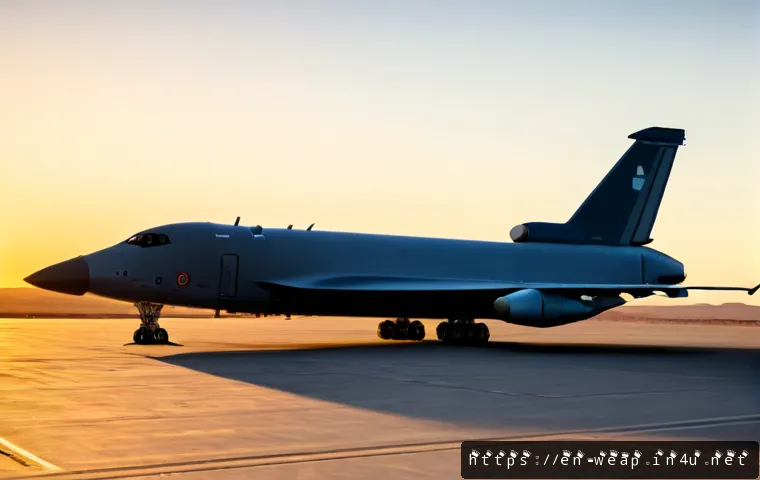
Nuclear-powered aircraft are possible in principle, but they are not practical for routine aviation today. The limiting factors are not fuel energy alone; they are reactor shielding, aircraft mass, certification, operating safety, and the cost of supporting the aircraft throughout its life.
Cold War programs in the United States and Soviet Union explored the idea, yet neither produced an operational nuclear-powered airplane. A reactor could heat air for jet thrust or generate electricity for electric propulsion, but every approach adds difficult systems beyond the reactor itself.
For organizations evaluating advanced propulsion, the sensible first step is usually engineering analysis rather than a commitment to a reactor-aircraft program.
Propulsion simulation software, materials analysis, and specialist aerospace consulting can help separate an impressive concept from an operationally credible design.
At a Glance
- Nuclear aircraft are technically conceivable, but shielding, containment, cooling, and redundancy create a major weight problem.
- Fuel energy density is not enough: certification, maintenance, airport access, emergency planning, and security determine practicality.
- Spacecraft may be a more plausible setting for nuclear propulsion because they do not face airport, takeoff, and crash constraints in the same way.
| Propulsion Option | Range Potential | Weight and System Complexity | Safety and Infrastructure Focus | Likely Cost Drivers |
|---|---|---|---|---|
| Nuclear propulsion | Potentially very long endurance | High due to shielding, containment, cooling, and redundancies | Specialized handling, security, emergency planning, and certification | Development, compliance, facilities, maintenance, and decommissioning |
| Conventional jet fuel | Established long-range capability | Relatively light and operationally mature | Existing airport and maintenance systems | Fuel use and standard aircraft operations |
| Sustainable aviation fuel | Depends on aircraft and fuel availability | Uses conventional propulsion architecture | Built around existing aviation operations | Fuel supply and operating economics |
| Hydrogen | Concept-dependent | Requires major storage and aircraft-system changes | New fuel handling and airport infrastructure | Storage, distribution, and aircraft redesign |
| Batteries | Limited by energy storage capability | Heavy energy storage system | Charging and battery safety procedures | Battery technology and charging infrastructure |
The Short Answer: Why a Nuclear Aircraft Is Possible but Not Practical Today
A nuclear-powered airplane could theoretically fly because a reactor can supply heat or electricity for propulsion. But a workable aircraft must carry much more than an energy source. It also needs radiation shielding, reactor containment, cooling equipment, safety systems, and maintainable access for personnel.
A reactor can produce propulsion energy, but the aircraft must carry far more than the reactor
Nuclear fuel has far greater energy density by mass than conventional jet fuel. That advantage sounds decisive until the full installation is considered. Conventional engines and fuel systems are comparatively light, simple, and familiar to airlines, airports, and maintenance teams. A reactor-powered aircraft would add mass and complexity around the reactor itself, particularly to protect crews, passengers, avionics, and maintenance personnel.
The main barriers are mass, safety, certification, and operating infrastructure
The central engineering question is not merely, “Can it generate thrust?” It is whether the complete aircraft can carry its safety systems without losing the payload, performance, and operational flexibility that make aviation useful. A design would also need a credible path through civil aviation certification, accident planning, end-of-life disposal, maintenance controls, and airport operating procedures. Those requirements may outweigh the benefit of carrying less fuel.
How Nuclear Propulsion for Aircraft Would Work
Several broad architectures are often discussed. Each can be described in theory, but each introduces its own integration and safety challenges.
Direct-cycle concepts: using reactor heat for jet thrust
In a direct-cycle concept, reactor heat would be used in a propulsion process that produces jet thrust. The attraction is a more direct connection between reactor output and propulsion. The concern is equally direct: a propulsion system must be evaluated not only for thrust, but also for containment, exposure control, inspection, and consequences during normal operation or an accident.
Indirect-cycle concepts: transferring heat through a separate system
An indirect-cycle approach transfers reactor heat through a separate system before it reaches the propulsion process. This may create more separation between the reactor and the working flow, but it also adds equipment. Heat-transfer hardware, cooling arrangements, containment measures, and redundant controls can increase aircraft mass and maintenance complexity.
Reactor-electric propulsion and its additional conversion losses
A reactor could also generate electricity for electric propulsion systems. This architecture may offer design flexibility, yet it requires conversion equipment, electrical distribution, motors, thermal management, and protection systems. The practical question is whether the overall package provides a better aircraft than alternative long-endurance propulsion choices, not whether electric propulsion alone is technically attractive.
Comparing Nuclear Aircraft With Other Long-Range Propulsion Options
Long-range aviation already has a proven option: conventional jet fuel and established turbine propulsion. Other pathways, including sustainable aviation fuel, hydrogen, and batteries, have different constraints. Nuclear propulsion is unusual because its potential endurance benefit is paired with exceptional safety and infrastructure demands.
Nuclear power versus conventional jet fuel
Conventional jet fuel has lower energy density by mass than nuclear fuel, but it supports engines, maintenance processes, and airport operations that are already widely understood. A nuclear aircraft would have to show that its added range or endurance delivers enough mission value to justify a far more specialized operating environment.
Nuclear power versus hydrogen, batteries, and sustainable aviation fuel
Hydrogen and batteries raise important aircraft design and infrastructure questions, while sustainable aviation fuel focuses on fuel supply within a more familiar propulsion framework. None is automatically simple. Still, nuclear aviation adds reactor security, radiation protection, and disposal considerations that the other options do not share in the same form.
Comparison table: range potential, weight, safety controls, infrastructure, and likely cost drivers
The table above is useful as a first-screening tool. A credible proposal should be compared across the entire operating
The Cost and Safety Barriers That Decide Feasibility
The hardest part of nuclear aviation is likely the complete safety case. A concept needs more than a reactor design and a thrust estimate.
Shielding, containment, cooling, and redundant safety systems
Radiation shielding is a central challenge because protection is needed for people and aircraft systems. Containment and cooling must also work reliably in flight and on the ground. Redundant safety systems add resilience, but they also add weight, inspection needs, and design complexity.

Airport operations, maintenance facilities, security, and emergency response
A reactor-powered aircraft would require specialized ground handling and maintenance procedures. Airports or operating bases would need security and emergency planning suited to the aircraft’s energy source. These are not secondary details; they influence whether the aircraft can use ordinary routes, ordinary facilities, or ordinary turnaround practices.
Why certification, insurance, and decommissioning could outweigh fuel-range benefits
For civil aviation, regulators would need evidence that normal operation, accidents, and end-of-life disposal can be managed safely. The total program cost remains uncertain because development, certification, insurance, infrastructure, security, and decommissioning would all need evaluation. Any financial model that discusses only fuel endurance is incomplete.
Where a Nuclear-Powered Aircraft Might Have a Narrow Use Case
If nuclear-powered flight ever becomes viable, its first role would more likely be specialized than routine passenger transport.
Long-endurance military or surveillance concepts
Very long endurance could be valuable for certain military or surveillance missions. However, whether such missions could justify the risks and expense remains unknown. The required safety procedures, security controls, and recovery planning would still be substantial.
Remote scientific missions and specialized unmanned platforms
Remote scientific operations or specialized unmanned platforms may appear more plausible because they could reduce some onboard human-protection requirements. That does not remove the need for containment, ground safety, maintenance planning, and acceptance by relevant authorities.
Why commercial passenger service faces the highest acceptance threshold
Passenger aircraft would need to protect large numbers of people while operating routinely at airports and over populated areas. They would also need public acceptance and a certification path that covers normal flights, accidents, maintenance, and disposal. This is a much higher threshold than demonstrating that a reactor can generate propulsion energy.
Selection Criteria and Comparison Summary
Before treating a nuclear aviation proposal as credible, check total installed mass, shielding needs, thermal management, mission value, maintenance access, airport requirements, emergency procedures, certification strategy, and end-of-life planning. Ask whether the proposed range advantage remains meaningful after all protective systems are included. Compare the concept with conventional jet fuel, sustainable aviation fuel, hydrogen, and batteries for the actual mission rather than an idealized mission. For early decisions, aerospace simulation software can test mass, thermal, and propulsion assumptions, while engineering analysis services can review system integration and safety constraints. For specialized projects, see the relevant provider’s page for software capabilities, feasibility-study scope, and technical consulting conditions.
Closing Thoughts
Nuclear-powered aircraft are not ruled out by physics. They are constrained by the much harder task of operating a reactor safely inside an aircraft system. The decisive issues are likely to be shielding, certification, infrastructure, and lifecycle cost rather than fuel energy alone. Until those barriers change substantially, simulation, materials research, and focused feasibility studies are more practical investments than promises of routine reactor-powered air travel.
Useful Things to Know
Cold War research did occur: both the United States and the Soviet Union investigated nuclear-powered aircraft concepts, but neither fielded an operational nuclear-powered airplane.
Space is different: nuclear propulsion research may fit spacecraft more naturally because spacecraft do not operate through airports or face the same takeoff and crash constraints.
Endurance is not unlimited: an aircraft still depends on maintenance, system reliability, operating permissions, and mission planning.
Important Limitations
The future practicality of nuclear aircraft is uncertain. It is not known whether advances in reactors, materials, shielding, or propulsion systems can reduce mass and safety barriers enough for deployment. Total development and operating cost, public acceptance, regulatory approval, and the most suitable mission types would require case-by-case verification.
Frequently Asked Questions
Q1. Are nuclear-powered aircraft safe enough for passenger travel?
A1. No operational nuclear-powered passenger airplane has been fielded. Passenger service would require convincing evidence that normal operations, accidents, maintenance, emergency response, and disposal can all be managed safely. That certification and public-acceptance threshold would be exceptionally high.
Q2. How much would a nuclear-powered aircraft cost to develop and operate?
A2. The total cost is unknown. It would need to include reactor development, shielding, containment, cooling, certification, insurance, specialized facilities, security, maintenance, emergency planning, and decommissioning—not only propulsion performance.
Q3. Would nuclear aircraft have unlimited range?
A3. No. Nuclear fuel could support long endurance in principle, but an aircraft would still face maintenance needs, system limits, crew or mission constraints, operating permissions, and safety requirements. Long fuel endurance is not the same as unlimited operational range.