When it comes to global maritime power, the strength of a nation’s navy plays a crucial role in shaping geopolitical influence and securing trade routes.
From aircraft carriers to submarines, each country’s naval capabilities reflect its strategic priorities and technological advancements. Understanding how these forces compare offers valuable insight into international security dynamics and future conflict scenarios.
Whether it’s the sheer size, technological edge, or strategic deployment, naval power continues to be a key factor in global dominance. Let’s dive into the details and uncover the true scale of naval strength across nations!
Modern Naval Fleet Composition and Its Strategic Impact
Aircraft Carriers: The Floating Powerhouses
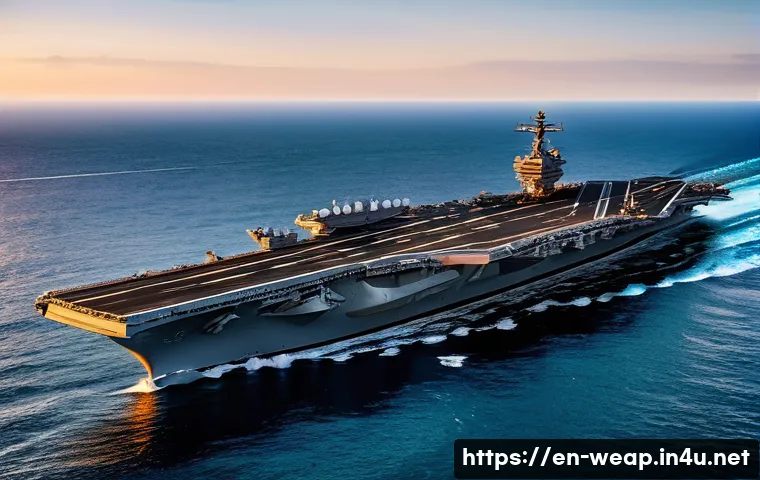
Aircraft carriers represent the pinnacle of naval strength, serving as mobile airbases capable of projecting force far beyond a nation’s shores. Countries investing heavily in these colossal vessels signal their intent to maintain global reach and rapid response capabilities.
For instance, the U.S. Navy’s Nimitz-class carriers boast advanced catapult systems and a complement of over 60 aircraft, providing unmatched versatility in air, sea, and even cyber warfare.
The presence of such carriers in contested regions often acts as a deterrent, influencing diplomatic negotiations and military posturing. However, the cost and complexity of building and maintaining carriers limit their numbers to only a handful of countries, making them symbols of elite maritime power rather than common assets.
Submarines: Silent Sentinels Beneath the Waves
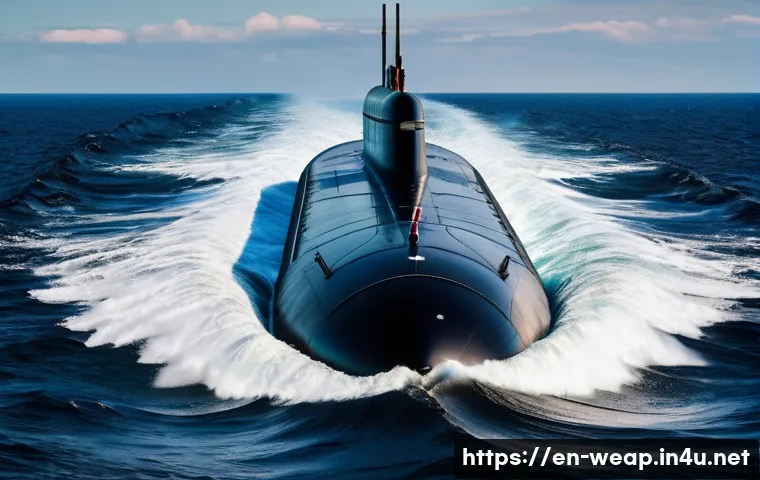
Submarines add a stealth dimension to naval dominance that surface fleets cannot match. Nuclear-powered attack submarines (SSNs) and ballistic missile submarines (SSBNs) form the backbone of underwater deterrence and covert intelligence gathering.
Their ability to strike undetected and remain submerged for extended periods makes them a critical asset in both peacetime and conflict. Countries like Russia and China have been rapidly expanding and modernizing their submarine fleets, focusing on quieter propulsion systems and advanced torpedo technology.
These underwater assets complicate adversaries’ naval strategies by forcing constant vigilance and sophisticated anti-submarine warfare measures.
Surface Combatants: Versatility and Firepower
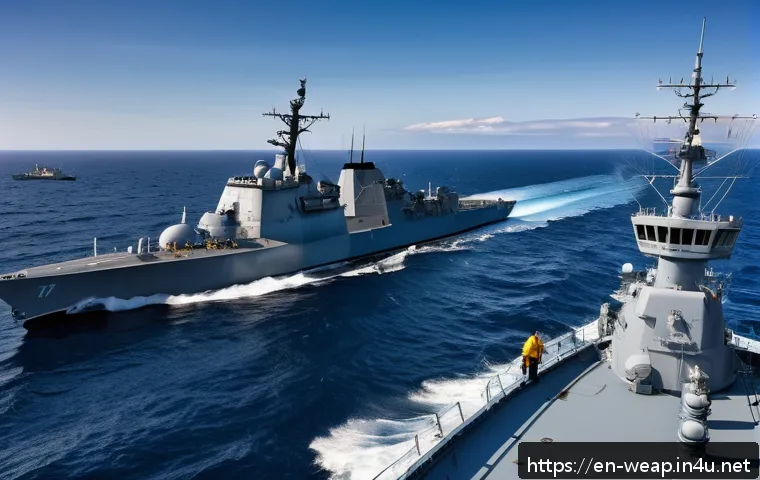
Destroyers, frigates, and cruisers collectively make up the versatile surface combatant category, balancing firepower, speed, and endurance. These ships often serve as escorts for carriers or operate independently to enforce maritime law, conduct patrols, and engage in anti-submarine and anti-air warfare.
Technological advancements such as the Aegis Combat System have enhanced their ability to track multiple targets and coordinate fleet defense. Many navies are prioritizing multi-mission platforms that can adapt to various threat environments, reflecting a shift from purely offensive roles to comprehensive maritime security operations.
Technological Innovations Driving Naval Superiority
Stealth and Signature Reduction Technologies
Stealth is no longer exclusive to aircraft; naval vessels increasingly incorporate design features to minimize radar, acoustic, and infrared signatures.
Angled hull surfaces, composite materials, and quiet propulsion systems collectively reduce detectability, allowing ships to operate closer to adversaries without detection.
The U.S. Navy’s Zumwalt-class destroyers exemplify this trend, featuring a low radar profile and electric drive systems that significantly cut noise emissions.
Such innovations not only improve survivability but also expand tactical options during covert or high-risk missions.
Advanced Missile Systems and Defensive Capabilities
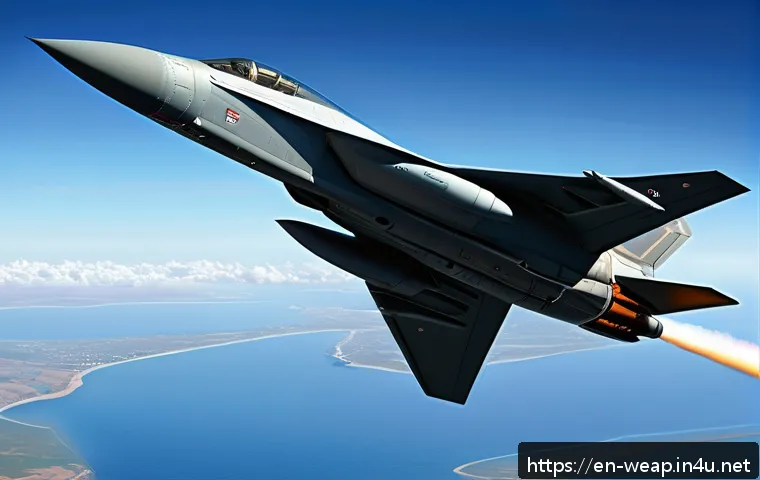
Missile technology continues to evolve rapidly, with many navies deploying long-range, precision-guided weapons capable of targeting both sea and land objectives.
Vertical launch systems (VLS) have become standard on modern warships, allowing quick salvo firing of various missiles including anti-ship, anti-air, and cruise missiles.
Defensive systems like the Phalanx CIWS and the newer SeaRAM provide close-in protection against incoming threats. Integration of artificial intelligence and improved radar tracking further enhances engagement accuracy and reaction times, shaping the battlefield in favor of the better-equipped navy.
Network-Centric Warfare and Autonomous Systems
The future of naval combat increasingly revolves around connectivity and automation. Network-centric warfare enables real-time data sharing among ships, aircraft, and command centers, improving situational awareness and coordinated responses.
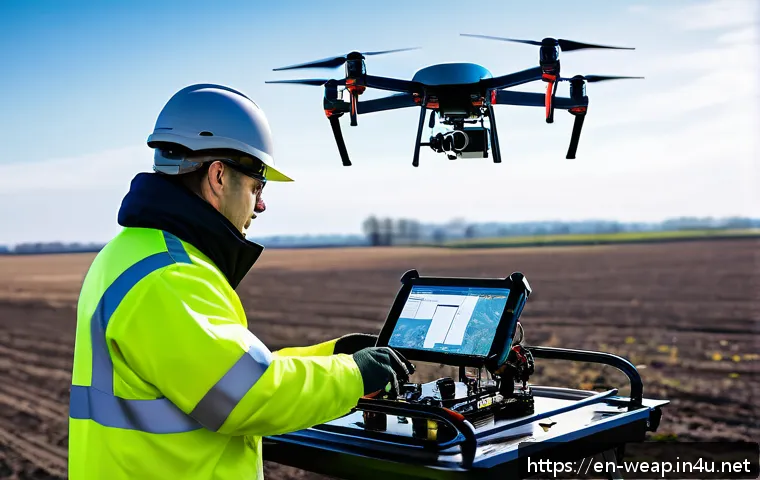
Unmanned systems—ranging from surface drones to underwater autonomous vehicles—are being incorporated to extend surveillance, mine countermeasures, and even offensive operations without risking human crews.
This technological leap promises to redefine naval tactics, reducing personnel risk and amplifying operational reach.
Global Naval Powerhouses and Their Strategic Postures
The United States: Dominance Through Innovation and Scale
The U.S. Navy remains unmatched in terms of fleet size, technological sophistication, and global reach. With 11 active aircraft carriers and a mix of advanced destroyers, submarines, and support vessels, its power projection capabilities are unrivaled.
The U.S. emphasizes forward deployment, maintaining bases and presence in critical regions like the Indo-Pacific and Mediterranean. This posture supports alliances and deters regional adversaries, while ongoing modernization programs ensure the fleet adapts to emerging threats such as hypersonic missiles and cyber warfare.
China: Rapid Expansion and Regional Assertiveness
China’s naval strategy focuses heavily on expanding its blue-water capabilities to challenge U.S. influence, especially in the South China Sea and beyond.
The People’s Liberation Army Navy (PLAN) has commissioned multiple aircraft carriers and a growing fleet of modern destroyers and submarines. Investments in anti-access/area denial (A2/AD) technologies aim to complicate potential adversaries’ operations near Chinese waters.
This expansion is paired with aggressive maritime claims and patrols, signaling Beijing’s intent to secure trade routes and project power regionally and globally.
Russia: Submarine Strength and Strategic Deterrence
Russia’s naval doctrine places significant emphasis on its submarine fleet, particularly nuclear-powered ballistic missile subs that provide a credible second-strike capability.
Despite a smaller overall surface fleet compared to the U.S. or China, Russia maintains a potent mix of guided missile cruisers and frigates tailored for Arctic and Atlantic operations.
Modernization efforts include quieter submarines and enhanced missile systems, reinforcing Russia’s ability to challenge NATO forces and safeguard its northern maritime approaches.
Naval Power Metrics: Comparing Capabilities Across Nations
| Country | Aircraft Carriers | Submarines (Nuclear & Diesel) | Destroyers/Frigates | Technological Edge | Global Reach |
|---|---|---|---|---|---|
| United States | 11 | 68 (both SSN & SSBN) | 70+ | Cutting-edge stealth, AI integration | Worldwide |
| China | 3 | 70+ | 50+ | Rapid modernization, A2/AD focus | Regional to global expanding |
| Russia | 1 | 60+ | 40+ | Submarine specialization, missile tech | Regional with Arctic emphasis |
| United Kingdom | 2 | 11 (mostly nuclear) | 20+ | Stealth design, advanced sensors | Global (limited scale) |
| India | 1 | 16 (mostly diesel) | 30+ | Focus on indigenous tech & modernization | Regional expanding to global |
Strategic Deployment: How Navies Project Influence
Forward Presence and Naval Bases
Maintaining overseas bases and forward-deployed fleets allows navies to respond rapidly to crises and maintain influence in key maritime chokepoints. The U.S.
Navy’s network of bases in Japan, Bahrain, and Spain supports its carrier strike groups and submarines, enabling sustained operations without relying solely on home ports.
Similarly, China is developing overseas logistics hubs such as Djibouti to extend its operational reach. These footholds not only facilitate military operations but also support humanitarian missions and international partnerships.
Joint Operations and Multinational Exercises
Collaborative exercises with allies and partners enhance interoperability and demonstrate collective resolve. The annual RIMPAC exercise in the Pacific and NATO’s maritime drills in the Atlantic involve dozens of ships from multiple countries, honing tactics against evolving threats.
These activities also showcase technological prowess and help smaller navies learn from established maritime powers. Such coordination is vital for managing complex scenarios like anti-piracy, disaster relief, and coalition warfare.
Adaptive Strategies for Emerging Threats
Modern naval strategy must address challenges ranging from cyber attacks and unmanned threats to climate change’s impact on Arctic navigation. Navies are increasingly incorporating flexible platforms and modular systems to quickly adapt to new mission requirements.
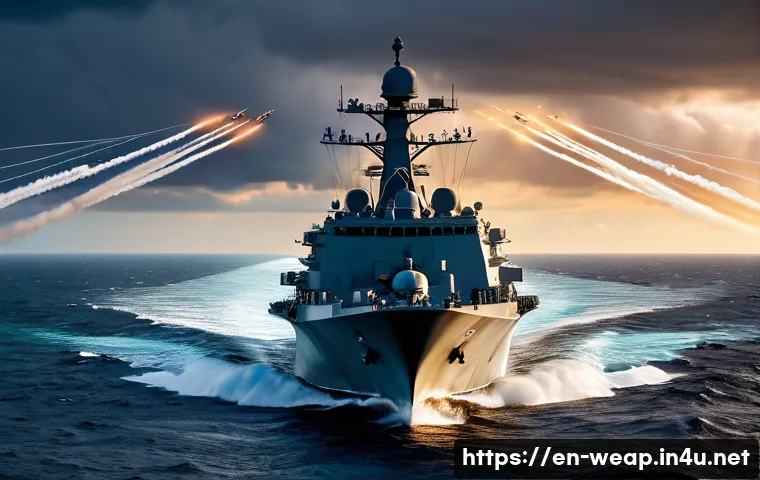
For example, the U.S. Navy’s Littoral Combat Ship program was designed to operate in shallow waters and counter mines and small boat swarms, reflecting a shift toward asymmetrical threat environments.
This adaptability ensures relevance in an unpredictable global security landscape.
The Role of Naval Power in Securing Global Trade Routes
Chokepoints and Strategic Waterways
Control over critical maritime chokepoints like the Strait of Hormuz, the Malacca Strait, and the Suez Canal is essential for global trade security. Navies patrol these narrow passages to deter piracy, ensure freedom of navigation, and respond to potential blockades.
For nations dependent on maritime commerce, naval presence here acts as a lifeline, preventing disruptions that could ripple through the global economy.
The competition to influence these waterways often drives naval deployments and diplomatic efforts alike.
Anti-Piracy and Maritime Security Operations
Piracy remains a persistent threat, particularly off the coasts of Somalia and in the Gulf of Guinea. Multinational naval task forces conduct regular patrols and escort missions to safeguard commercial vessels.
These operations combine intelligence sharing, rapid interdiction capabilities, and local partnerships. From personal experience observing these efforts, the coordination between navies and private maritime security firms highlights how naval power adapts to non-traditional security challenges beyond conventional warfare.
Protecting Energy and Resource Supply Lines
Naval forces also safeguard undersea pipelines, offshore oil rigs, and fishing zones critical to national economies. The increasing geopolitical importance of the Arctic, with its untapped resources and emerging sea routes, has led to renewed naval focus in this harsh environment.
Countries with Arctic coastlines are upgrading icebreaker fleets and establishing military outposts to assert sovereignty and protect resource interests, underscoring how naval power extends beyond warfighting into economic security domains.
Emerging Trends in Naval Power Development
Green Technologies and Energy Efficiency
With growing environmental awareness, navies are investing in greener propulsion systems and energy-saving technologies. Hybrid-electric drives, advanced hull coatings, and waste heat recovery systems reduce fuel consumption and extend operational endurance.
These initiatives not only cut costs but also enhance stealth by lowering thermal and acoustic signatures. The Royal Navy’s commitment to carbon reduction exemplifies how environmental responsibility is becoming intertwined with strategic naval planning.
Cybersecurity and Electronic Warfare
As ships become increasingly networked, cybersecurity has emerged as a critical component of naval resilience. Protecting communication networks, weapon systems, and navigation from hacking or electronic jamming is paramount.
Navies are establishing dedicated cyber units and integrating electronic warfare capabilities to disrupt enemy sensors and command systems. This digital battlefield adds a new dimension to naval engagements, where information dominance can be as decisive as firepower.
Human Factors and Crew Welfare
Despite technological advances, the human element remains central to naval effectiveness. Modern navies focus on crew training, mental health support, and quality of life improvements aboard ships to maintain morale and operational readiness.
Automation reduces routine workloads but also demands higher technical skills, prompting continuous education and career development programs. Personal accounts from sailors highlight how investments in welfare directly impact mission success and retention rates.
Challenges Facing Future Naval Expansion
Budget Constraints and Cost Overruns
Building and maintaining a modern navy is enormously expensive, often leading to budget overruns and delayed projects. Advanced vessels like aircraft carriers and nuclear submarines require billions of dollars and decades to complete.
Political shifts and competing defense priorities can result in fluctuating funding, complicating long-term planning. Smaller navies face even steeper challenges balancing modernization needs with limited resources, sometimes relying on partnerships or second-hand acquisitions.
Geopolitical Rivalries and Arms Races
Naval build-ups frequently trigger regional arms races, with neighboring countries escalating their own fleets in response. This dynamic can increase tensions and raise the risk of miscalculations or unintended conflicts.
For example, the Indo-Pacific region has witnessed rapid naval expansions from multiple countries, fueling strategic uncertainty. Managing these rivalries requires diplomatic engagement alongside military preparedness to prevent destabilization.
Technological Obsolescence and Rapid Innovation
The pace of technological change means that naval platforms can become outdated quickly. Investments in emerging domains like hypersonic weapons, quantum sensors, and autonomous vessels may render existing ships less effective.
Navies must therefore balance acquiring new capabilities with maintaining current readiness, often integrating modular upgrades and flexible designs. Staying ahead technologically is crucial but demands foresight and adaptability amid evolving threats.
Conclusion
The modern naval landscape is shaped by a blend of advanced technology, strategic deployment, and evolving geopolitical dynamics. Navies worldwide continue to adapt, balancing traditional power projection with emerging challenges like cyber warfare and environmental concerns. Understanding these trends is essential to grasp how maritime forces influence global security and economic stability in the years ahead.
Useful Information to Know
1. Aircraft carriers remain the most visible symbols of naval power but require massive investment and maintenance, limiting their global numbers.
2. Submarines provide stealth and deterrence capabilities that are critical in both peacetime intelligence and wartime operations.
3. Advances in missile technology and networked warfare are transforming how navies engage threats and protect their assets.
4. Overseas bases and multinational exercises enhance rapid response and interoperability among allied navies.
5. Environmental initiatives and crew welfare are increasingly prioritized to sustain naval effectiveness and readiness.
Key Takeaways
Modern naval forces rely on a combination of cutting-edge technology, strategic forward presence, and flexible operational concepts to maintain maritime dominance. While budget constraints and geopolitical rivalries pose ongoing challenges, continuous innovation and international cooperation are critical to navigating the complex security environment. Ultimately, naval power remains a vital element in safeguarding trade routes, deterring conflict, and projecting influence on the global stage.
Frequently Asked Questions (FAQ) 📖
Q: What factors determine the overall strength of a country’s navy?
A: The strength of a navy is not just about the number of ships, but also the quality and variety of vessels, such as aircraft carriers, submarines, and destroyers.
Technological advancements, crew training, logistical support, and the ability to project power globally also play critical roles. For example, a navy with fewer ships but superior technology and strategic reach can often outperform a larger but less advanced force.
Additionally, alliances and access to overseas bases can enhance a navy’s operational effectiveness.
Q: How does naval power impact global trade and security?
A: Naval power is essential for protecting vital sea lanes through which about 80% of global trade passes. A strong navy deters piracy, secures maritime borders, and ensures the free flow of goods.
In times of conflict, control of the seas can restrict an adversary’s trade and military movements, influencing the outcome of disputes. Personally, I’ve noticed that countries with formidable navies tend to have more stable trade environments and greater geopolitical influence, which benefits their economies and national security.
Q: Which countries currently lead in naval capabilities, and why?
A: The United States is often regarded as the leader due to its large fleet of advanced aircraft carriers, nuclear submarines, and extensive global presence.
China is rapidly expanding its navy with a focus on modernizing technology and increasing numbers, aiming to assert regional dominance. Other notable powers include Russia, with its powerful submarine fleet, and the United Kingdom and France, which maintain highly capable navies with global reach.
From my observations, these countries invest heavily in cutting-edge technology and training, reflecting their strategic priorities on maintaining or expanding influence worldwide.