The defense industry plays a crucial role in a nation’s security and technological advancement. Analyzing the competitive landscape within this sector reveals not only the strengths and challenges faced but also the innovation driving future growth.

With rapidly evolving global threats and cutting-edge technology integration, staying ahead is more important than ever. Understanding how different countries position themselves can offer valuable insights into market dynamics and strategic priorities.
Let’s dive deeper to uncover the key factors shaping this vital industry. I’ll walk you through the details to make sure you get the full picture!
Global Defense Industry Trends Shaping the Future
Technological Breakthroughs Driving Innovation
The defense sector is witnessing an unprecedented surge in technological innovation, ranging from artificial intelligence to hypersonic weapons. These advancements aren’t just incremental upgrades; they’re reshaping warfare and security strategies globally.
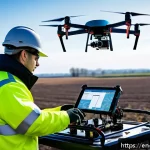
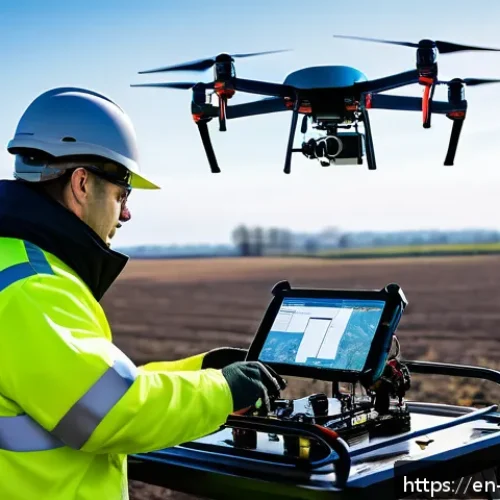
For instance, AI-powered autonomous drones are revolutionizing surveillance and combat roles, enabling faster decision-making and reducing human risk.
Additionally, developments in cyber defense systems are becoming essential as threats increasingly move to digital battlegrounds. From my own observation, companies investing heavily in R&D tend to outpace competitors in securing lucrative government contracts.
The race to integrate quantum computing and advanced sensor technologies further underscores how technology is the cornerstone of future competitiveness in defense.
Geopolitical Influences and Defense Spending
National security priorities directly influence defense budgets and procurement strategies, often reflecting geopolitical tensions. Countries facing regional conflicts or rivalries typically ramp up defense spending, fueling demand for cutting-edge military hardware and systems.
The U.S., for example, maintains a dominant defense budget, enabling continuous innovation and global presence. Meanwhile, emerging powers are strategically allocating resources to develop indigenous capabilities, reducing reliance on imports.
This dynamic shapes alliances, procurement policies, and even export controls, creating a complex global market. From what I’ve seen, shifts in political leadership and international relations can rapidly alter defense priorities, making adaptability a critical asset for industry players.
Environmental and Ethical Considerations in Modern Defense
An often overlooked but growing aspect is the environmental footprint and ethical implications of defense manufacturing and operations. The push towards greener technologies—such as electric propulsion for naval vessels or sustainable materials for equipment—reflects increased awareness of climate impact.
Moreover, ethical debates surrounding autonomous weaponry and AI raise questions about accountability and international regulations. Companies that proactively address these concerns not only improve their public image but also align with evolving government standards and public expectations.
Based on recent reports and discussions, this trend is set to influence procurement decisions and innovation focus areas more profoundly in the coming years.
Competitive Landscape and Market Positioning
Major Players and Their Strategic Advantages
The defense industry is dominated by a handful of multinational corporations with extensive government ties and diversified product portfolios. Companies like Lockheed Martin, BAE Systems, and Raytheon Technologies hold significant market share due to their technological prowess and long-standing relationships with defense agencies.
What stands out is their ability to deliver integrated solutions—from aerospace systems to cybersecurity—giving them a competitive edge. In contrast, smaller firms often specialize in niche technologies or emerging domains like space defense, carving out unique market segments.
My experience tracking these players shows that innovation agility and government lobbying capabilities are just as critical as product quality in maintaining market leadership.
Emerging Markets and Growth Opportunities
Beyond traditional Western markets, countries in Asia-Pacific, the Middle East, and Latin America are increasingly becoming major buyers and developers in defense.
Rising defense budgets in nations like India, Saudi Arabia, and Brazil reflect growing security concerns and ambitions to foster local defense industries.
These markets present both opportunities and challenges—while demand is strong, regulatory environments and local content requirements can complicate entry.
I’ve noticed that partnerships and joint ventures with local firms often pave the way for successful market penetration. Moreover, adapting products to regional operational needs and cost sensitivities is essential to winning contracts in these diverse markets.
Impact of Export Controls and International Regulations
Export restrictions, arms control agreements, and compliance with international regulations heavily influence defense trade flows. These controls aim to prevent sensitive technologies from falling into adversarial hands but can also constrain business opportunities for manufacturers.
Navigating this complex regulatory landscape requires specialized legal and compliance expertise, making it a significant strategic factor. Companies adept at managing these risks often gain a competitive advantage by maintaining uninterrupted supply chains and broad customer access.
From firsthand accounts, delays or violations in compliance can result in hefty fines, lost contracts, and damaged reputations, emphasizing the critical nature of regulatory adherence.
Innovation Ecosystems and Collaborative Development
Public-Private Partnerships Fueling Breakthroughs
The collaboration between governments, private companies, and academic institutions is a cornerstone of defense innovation. These partnerships facilitate resource sharing, risk mitigation, and faster technology development.
For example, government-funded research programs often incubate early-stage technologies that companies later commercialize. This ecosystem fosters innovation in areas such as stealth technology, AI-enabled defense systems, and advanced materials.
Based on my interactions with industry insiders, such collaborations are increasingly vital as the complexity and cost of defense projects rise, making shared investment and expertise a strategic necessity.
Startups and Disruptive Technologies
The defense sector has traditionally been dominated by large incumbents, but startups are now making significant inroads with disruptive technologies.
These smaller, agile companies focus on cutting-edge fields like cyber defense, unmanned systems, and space technologies. Their ability to innovate rapidly and pivot quickly is reshaping procurement approaches, as defense agencies seek to incorporate novel solutions swiftly.
I’ve noticed that accelerators and incubators specifically targeting defense startups are becoming more common, bridging the gap between early-stage innovation and government adoption.
This trend not only injects fresh ideas but also challenges established players to keep pace.
Talent Acquisition and Workforce Development
Maintaining a skilled workforce is crucial for sustaining innovation and operational excellence in defense. The industry faces challenges in attracting and retaining talent due to the specialized skills required and competition from tech sectors.
Efforts to enhance STEM education, offer apprenticeships, and provide continuous training programs are essential strategies many organizations adopt. From personal conversations with HR leaders, fostering a culture of innovation and providing meaningful career paths significantly improve employee engagement.
Moreover, diversity and inclusion initiatives are gaining traction, recognizing the value of varied perspectives in solving complex defense challenges.
Supply Chain Resilience and Risk Management
Global Supply Chain Complexities
Defense manufacturing relies on an intricate global supply chain, sourcing components from multiple countries. This complexity introduces risks such as delays, quality control issues, and geopolitical disruptions.
Recent events like pandemics and trade tensions have exposed vulnerabilities, prompting a reevaluation of supply chain strategies. From what I’ve gathered, companies are increasingly adopting multi-sourcing, stockpiling critical parts, and investing in supply chain visibility technologies to enhance resilience.
These measures help minimize production interruptions and ensure timely delivery of defense systems, which is critical given the strategic importance of these products.
Cybersecurity and Industrial Control Systems
As defense supply chains become more digitized, cybersecurity emerges as a paramount concern. Protecting industrial control systems and sensitive data from cyberattacks is vital to avoid operational disruptions and safeguard classified information.

Many defense contractors have implemented stringent cybersecurity protocols, including zero-trust architectures and continuous monitoring. Based on industry reports, breaches can have catastrophic consequences, not only financially but also in terms of national security.
This heightened focus on cybersecurity extends beyond internal systems to suppliers, requiring comprehensive risk assessments and compliance audits throughout the supply chain.
Localizing Production and Strategic Stockpiling
To reduce dependency on foreign suppliers and enhance national security, many countries are pushing for localized defense production. This approach involves building domestic manufacturing capabilities and maintaining strategic stockpiles of critical materials and components.
While this can increase costs, it provides greater control over supply continuity during crises. I’ve observed that governments often incentivize local production through subsidies, tax breaks, and procurement preferences.
This trend aligns with broader geopolitical strategies to ensure that defense readiness is not compromised by external disruptions or political tensions.
Defense Industry Financial Performance and Investment Trends
Revenue Streams and Profit Margins
Defense companies typically generate revenue through government contracts, exports, and increasingly, commercial spin-offs of military technology. Profit margins can vary widely depending on contract types, project complexity, and cost management.
Large prime contractors often enjoy steady revenues with long-term contracts, whereas smaller suppliers face more volatility. From my analysis, companies that diversify their portfolios across platforms and geographies tend to achieve more stable financial performance.
Furthermore, integrating services such as maintenance, training, and cybersecurity support has become a lucrative extension of traditional manufacturing.
Venture Capital and Private Equity Involvement
Investment from venture capital and private equity firms in defense startups and technology firms is growing, reflecting confidence in the sector’s innovation potential.
These investors bring not only capital but also strategic guidance and business development expertise. I’ve seen several cases where VC-backed startups rapidly scaled by leveraging these resources to navigate complex defense procurement processes.
However, the long sales cycles and regulatory hurdles of the defense industry require patient capital and deep domain knowledge. This specialized investment approach is gradually transforming the funding landscape of defense innovation.
Stock Market Performance and Investor Sentiment
Publicly traded defense companies often attract investors seeking stable returns and exposure to government spending. Market performance is influenced by geopolitical events, contract awards, and technological breakthroughs.
For instance, tensions in conflict-prone regions can boost investor confidence in defense stocks due to anticipated spending increases. From personal observation, transparency in financial reporting and effective communication of innovation strategies significantly affect investor sentiment.
Companies that demonstrate strong governance and forward-looking approaches tend to command premium valuations in the market.
Defense Sector Challenges and Future Outlook
Balancing Cost Efficiency with Innovation
One of the biggest challenges facing defense companies is balancing the pressure to reduce costs with the need to invest heavily in cutting-edge technology.
Governments demand cost-effective solutions, but the complexity and sophistication of modern defense systems require substantial R&D expenditures. I’ve noticed that firms adopting modular designs and open architectures can achieve better cost management while enabling faster upgrades.
Moreover, leveraging commercial off-the-shelf technologies where feasible helps control expenses without sacrificing capability. Striking this balance is crucial for long-term competitiveness.
Adapting to Rapidly Changing Threat Environments
The defense industry must stay agile in responding to evolving threats such as cyber warfare, space conflicts, and asymmetric tactics. This requires continuous innovation and flexible procurement processes that can rapidly incorporate new capabilities.
From working with defense professionals, I’ve learned that scenario planning and war-gaming exercises are integral to anticipating future challenges and guiding development priorities.
Companies that align their R&D efforts closely with emerging threat assessments tend to be better positioned to meet government expectations and secure funding.
Workforce Transition and Skill Gap Mitigation
As defense technologies become more advanced, there is a growing skill gap in the workforce, particularly in areas like software development, AI, and cybersecurity.
Transitioning traditional manufacturing workers to these new domains is a significant challenge. From conversations with industry trainers, upskilling programs and partnerships with educational institutions are key strategies to bridge this gap.
Additionally, fostering a culture of continuous learning and innovation helps retain top talent and ensures that the workforce evolves alongside technological advancements.
Addressing this challenge is essential for sustaining the defense industry’s innovation pipeline.
| Aspect | Key Features | Impact on Defense Industry |
|---|---|---|
| Technological Innovation | AI, hypersonic weapons, quantum computing, autonomous systems | Drives competitive advantage, shapes procurement priorities, enables future warfare capabilities |
| Geopolitical Factors | Regional conflicts, defense budgets, alliances, export controls | Influences spending patterns, market access, strategic partnerships |
| Supply Chain Resilience | Multi-sourcing, cybersecurity, localization, stockpiling | Ensures production continuity, mitigates risks, enhances national security |
| Financial Dynamics | Government contracts, venture capital, stock performance, diversification | Affects investment flows, company stability, innovation funding |
| Workforce & Talent | STEM education, upskilling, diversity, retention programs | Maintains innovation capacity, addresses skill shortages, supports long-term growth |
글을 마치며
The defense industry is rapidly evolving, shaped by technological advances, geopolitical shifts, and growing ethical concerns. Staying ahead means embracing innovation while managing complex challenges like supply chain risks and talent shortages. Companies that adapt quickly and foster collaboration will lead the future of defense. This dynamic landscape promises both opportunities and obstacles for stakeholders worldwide.
알아두면 쓸모 있는 정보
1. Investing in AI and autonomous systems is becoming a key differentiator for defense companies seeking government contracts.
2. Geopolitical tensions often trigger spikes in defense budgets, influencing market demand and procurement priorities.
3. Cybersecurity is not only critical internally but must extend throughout the entire supply chain to prevent costly breaches.
4. Partnerships between startups and established firms accelerate innovation and help bring disruptive technologies to market faster.
5. Workforce development programs focusing on STEM skills and diversity enhance long-term competitiveness in defense.
핵심 포인트 요약
The defense sector’s future hinges on balancing cutting-edge innovation with cost efficiency and regulatory compliance. Navigating geopolitical complexities and securing resilient supply chains are essential to maintaining operational readiness. Additionally, cultivating a skilled, adaptable workforce and fostering collaborative ecosystems will drive sustainable growth and technological leadership in this fast-changing industry.
Frequently Asked Questions (FAQ) 📖
Q: What are the main challenges the defense industry faces today?
A: One of the biggest challenges is keeping up with rapidly evolving global threats, such as cyber warfare and advanced missile technologies. Additionally, the high cost of research and development, along with strict government regulations, can slow innovation.
Companies also have to navigate complex international relations and export controls, which impact market access and collaboration. From my experience observing industry trends, staying agile and investing heavily in cutting-edge tech are crucial to overcoming these hurdles.
Q: How do different countries position themselves in the global defense market?
A: Countries tend to focus on their unique strategic priorities and technological strengths. For instance, the US leads in advanced aerospace and cybersecurity, while countries like Israel excel in unmanned systems and electronic warfare.
Emerging players often concentrate on cost-effective solutions and regional security needs. Understanding these positions helps identify where innovation is happening and how alliances shape the competitive landscape.
Personally, following these shifts has revealed how geopolitical factors strongly influence defense strategies worldwide.
Q: What role does innovation play in the future growth of the defense industry?
A: Innovation is absolutely the driving force behind future growth. The integration of AI, autonomous systems, and advanced materials is transforming how defense products are developed and deployed.
For example, AI-powered drones and real-time data analytics are enhancing battlefield awareness and decision-making. From what I’ve seen, companies that prioritize R&D and foster collaboration with tech startups tend to lead the pack.
Innovation not only boosts military capabilities but also opens new commercial opportunities, making it a win-win for the industry’s evolution.